According to MTF-Aquatics, the 10 most common tropical fish diseases in UK home aquariums are: ich/whitespot (Ichthyophthirius multifiliis), velvet (Oodinium), fin rot (Pseudomonas/Aeromonas), columnaris, dropsy, hole-in-the-head, internal parasites, gill flukes, fungal infections, and pop-eye. Treatment begins with accurate identification, water quality correction, a 4–6 week quarantine tank protocol, and UK-available medications from eSHa, NT Labs, or Waterlife matched to the confirmed pathogen.
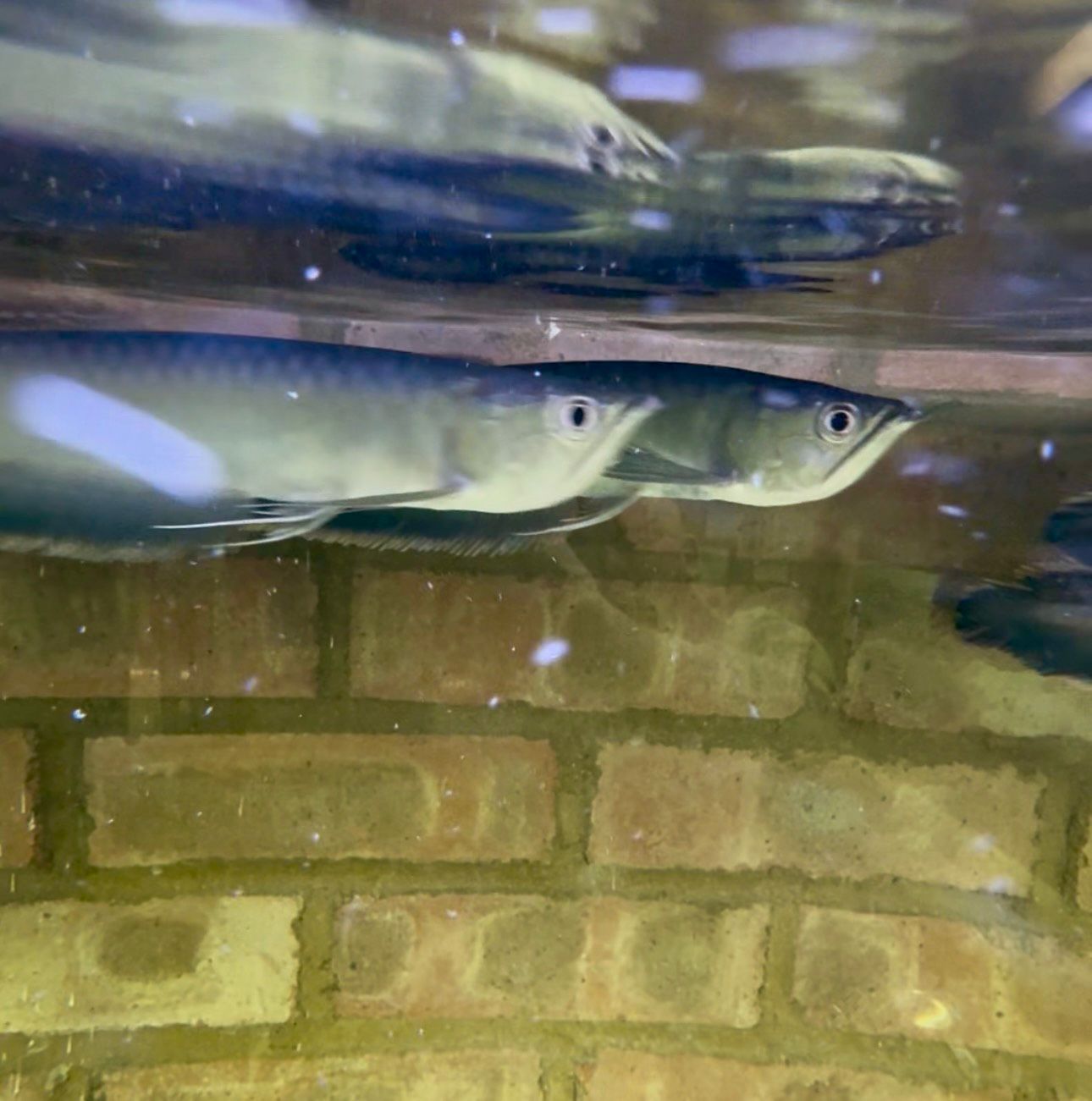
Above: Specimen-grade fish like the Black Arowana (Osteoglossum ferreirai) represent serious investment — disease caught early saves fish and money.
Disease is the most common cause of loss among tropical fish in UK home aquariums, and the majority of cases are preventable. The two greatest risk factors are introducing fish without quarantine and allowing water quality to deteriorate. Everything else — the pathogens, the treatments, the vet calls — is downstream of those two decisions.
This guide covers the 10 diseases Marc’s customers ask about most. Each entry gives you a clear description of what to look for, the likely cause, UK-available treatments, and the water parameters to address first. It is not a replacement for professional veterinary advice when things get serious — and we’ll tell you exactly when to make that call.
Most bacterial and fungal infections in tropical fish are secondary — they colonise fish whose immune systems are already stressed by poor water conditions. Before reaching for any medication, test your water:
| Parameter | Acceptable Range (tropical freshwater) |
|---|---|
| Ammonia | 0 ppm |
| Nitrite | 0 ppm |
| Nitrate | <40 ppm (ideally <20 ppm) |
| pH | Species-specific — check your fish’s care guide |
| Temperature | Species-specific — typically 24–28 °C |
| Hardness (dGH) | Species-specific |
If ammonia or nitrite is detectable, perform an immediate 30–50% water change before any treatment. Medication cannot compensate for a failing cycle.
What it looks like: Distinct white spots, each roughly 0.5–1 mm in diameter, appearing on fins and body. Fish may flash (scratch against surfaces), breathe rapidly, or clamp fins.
Cause: A protozoan parasite with a complex life cycle. The visible white cysts (trophonts) are the mature stage — they drop off, reproduce, and re-attach. The free-swimming theront stage is the vulnerable one.
UK treatment: – Raise temperature to 28–30 °C to speed up the lifecycle (do not exceed 30 °C for scaleless fish, loaches, or rays). – eSHa EXIT — a broad-spectrum treatment effective against the free-swimming stage. – Waterlife Protozin — long-established UK product, widely available. – NT Labs Anti-Parasite & Bacteria — suitable for community tanks. – Remove activated carbon from the filter before dosing. Complete the full course (typically 3 treatments over 7 days) even after spots vanish.
Critical note for sensitive species: Scaleless fish (Stingrays, Bichirs) and loaches are sensitive to many antiparasitics. Use half-doses and monitor closely, or consult an aquatic vet.
What it looks like: A fine golden or rust-coloured dusty coating over the body — visible only under a torch shone at a low angle across the flanks in a darkened room. Heavily infected fish breathe rapidly and show extreme lethargy.
Cause: A dinoflagellate parasite, closely related to marine velvet but different species. Velvet progresses significantly faster than ich and can be fatal within days.
UK treatment: – eSHa EXIT or Waterlife Protozin at full course. – Reduce tank lighting to 25% during treatment — Oodinium is photosynthetic and light-deprived trophonts reproduce less aggressively. – Temperature raise to 28 °C. – Full tank quarantine: velvet spreads to all tankmates rapidly.
What it looks like: Progressive fraying, whitening, or melting of fin edges, sometimes with a reddened base. Can advance to the body if untreated (body rot).
Cause: Opportunistic bacteria that proliferate when fish are stressed or water quality is poor. Physical damage (nipping by tankmates) creates entry points.
UK treatment: – Address root cause first: water quality, aggression, stocking. – eSHa 2000 — effective against a wide range of bacterial pathogens, widely available in UK aquatic shops. – NT Labs Anti-Ulcer & Fin Rot. – For severe cases affecting the fin base, a vet-prescribed topical or systemic antibiotic may be required.
Prognosis: Good if caught early. Fins grow back, though badly damaged specimens (especially long-finned varieties) may retain some scarring.
What it looks like: White or grey cotton-like patches on the body, head, or around the mouth — sometimes mistaken for fungus. The mouth may appear eroded (“saddleback” lesion across the dorsal area). Progression is rapid.
Cause: Gram-negative bacterium that thrives in warmer, well-oxygenated water. More virulent at higher temperatures. Often introduced via infected new fish.
UK treatment: – Increase oxygenation — columnaris outcompetes fish in low-oxygen conditions. – eSHa 2000 for mild cases. – NT Labs Anti-Bacteria for secondary infections. – Severe or rapidly progressing cases warrant a vet consultation for prescription antibiotics.
Important distinction from fungus: True fungal infections (Saprolegnia) are cottony and three-dimensional; columnaris lesions tend to be flatter and more irregular. Treat differently — most antifungal treatments are ineffective against columnaris.
What it looks like: Raised scales giving a pronounced pinecone appearance when viewed from above. Severely bloated abdomen. Lethargy and loss of appetite typically precede the visible scale-raise.
Cause: Systemic internal organ failure — usually kidneys — resulting from bacterial infection (Aeromonas hydrophila most commonly). Poor water quality, stress, and immunosuppression are precursors.
UK treatment: – Isolate the affected fish immediately. – Add Epsom salt (magnesium sulphate) at 1 tablespoon per 20 litres to the quarantine tank — this acts as a mild osmotic agent to reduce internal fluid build-up. – NT Labs Swimbladder Treatment contains metronidazole-adjacent compounds useful in mild cases. – Advanced cases: contact an aquatic vet. Prescription metronidazole or kanamycin courses are significantly more effective than OTC options. – Prognosis: Poor once scales are fully raised. Early intervention (at lethargy / early bloating stage) offers the best chance.
What it looks like: Pitting or erosion around the head and lateral line, most commonly in cichlids and large predatory fish like Peacock Bass (Cichla spp.) and Oscars. Holes may weep mucus.
Cause: Protozoan parasites (Hexamita or Spironucleus) combined with nutritional deficiencies (particularly activated carbon overuse, low vitamin C and D). High nitrate is a consistent cofactor.
UK treatment: – Reduce nitrates to below 20 ppm immediately. – Remove activated carbon (long-term carbon use depletes trace elements). – NT Labs Swimbladder & Hole in the Head Treatment (contains metronidazole compounds). – Improve diet: introduce varied frozen foods, Repashy gels, and vitamin-supplemented pellets. – Prescription metronidazole from an aquatic vet is the most reliable treatment for advanced cases.
What it looks like: Red worms protruding from the vent, or less visibly: extreme weight loss despite good appetite, pale or stringy white faeces, hollow belly. Common in wild-caught imports.
Cause: Nematodes (Camallanus spp.) or intestinal flagellates introduced via live food or wild-caught fish.
UK treatment: – Flubendazole-based treatments (Kusuri Wormer Plus is available in the UK — check current availability). – Fenbendazole (Panacur, available from vets) at 0.2–0.5% in food. – Wild-caught fish from MTF’s direct import chain are held and observed prior to dispatch, but a quarantine period in your own tank remains non-negotiable for all new arrivals.
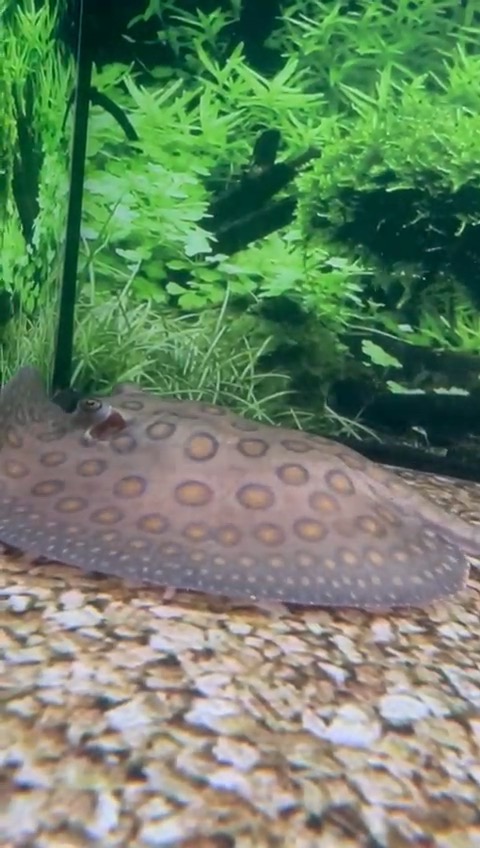
Above: Wild-caught stingrays (Potamotrygon motoro) and other direct imports benefit from a minimum 4-week quarantine before introduction to established displays.
What it looks like: Rapid, laboured breathing; fish gasping at the surface or near filter outflows; excess mucus production on the gills and body. Often misdiagnosed as a water quality issue — test ammonia/nitrite first.
Cause: Monogenean flatworm parasites that attach to gill filaments, causing tissue damage and oxygen exchange problems. Dactylogyrus is gill-specific; Gyrodactylus also affects the skin.
UK treatment: – Waterlife Sterazin — effective against flukes and other ectoparasites. – NT Labs Anti-Parasite & Bacteria — broad-spectrum option. – Praziquantel-based treatments are the gold standard; available from aquatic vets in the UK if OTC treatments fail. – Treat the whole tank, not just the affected fish — flukes spread rapidly.
What it looks like: True fungal infections appear as white or grey cotton-wool tufts growing from wounds, damaged eggs, or fin injuries. Distinctly three-dimensional and fluffy — very different from the flatter lesions of columnaris.
Cause: Saprolegnia is an oomycete (water mould) that colonises damaged tissue. It is almost always secondary to physical injury, bacterial infection, or very poor water conditions.
UK treatment: – eSHa 2000 — effective against both fungal and bacterial secondary infections. – NT Labs Anti-Fungus & Fin Rot. – Waterlife Myxazin — broad-spectrum including fungal coverage. – Remove dead tissue physically where accessible (quarantine tank, sedated fish — consult a vet for large specimens).
What it looks like: One or both eyes protruding visibly beyond the normal eye socket. The eye surface may appear cloudy. Bilateral pop-eye (both eyes) typically indicates systemic infection; unilateral (one eye) often follows physical injury.
Cause: Fluid accumulation behind the eye caused by bacterial infection or physical trauma. Systemic in origin — not just an eye problem.
UK treatment: – Isolate the fish. – Pristine water quality — daily 25% water changes in the quarantine tank. – eSHa 2000 or NT Labs Anti-Bacteria for mild cases. – Severe bilateral pop-eye: contact an aquatic vet. Prescription antibiotics offer the best prognosis. Vision loss in the affected eye is possible even after recovery.
A quarantine protocol is the single highest-return investment in fish health. Every new fish — regardless of the source — should spend a minimum of 4 weeks in a quarantine tank before entering your display.
Minimum quarantine tank specification:
| Item | Recommendation |
|---|---|
| Tank size | 60–120 litres depending on fish size |
| Filtration | Mature sponge filter (kept running in your sump between uses) |
| Substrate | Bare bottom — easier to monitor waste and clean |
| Décor | One or two hides only; no live plants |
| Lighting | Subdued — stress reduction |
| Heater | Set to match display tank ± 1 °C |
| Quarantine period | Minimum 4 weeks; 6 weeks for wild-caught imports |
Protocol: 1. Run the quarantine tank at the correct temperature for 24 hours before introducing fish. 2. Acclimate fish to the QT using the drip or floating-bag method (minimum 30 minutes). 3. Observe twice daily for the first two weeks — morning and evening. 4. Perform 20–25% water changes every 3 days to maintain pristine parameters. 5. Do not share equipment between QT and display tank without disinfection (potassium permanganate solution or drying for 72+ hours). 6. Only introduce to the display tank after 4 weeks with no symptoms observed.
For large predatory fish — Arowana, Stingray, Bichir, Peacock Bass (Cichla spp.) — Marc recommends a 6-week quarantine minimum. These fish are long-lived, high-value investments, and the minor inconvenience of a longer QT period is trivial against the cost of losing an established display to introduced disease.
Over-the-counter medications cover the majority of common disease presentations. Call an aquatic vet when:
In the UK, look for vets listed on the RCVS (Royal College of Veterinary Surgeons) website with an aquatic/exotic fish specialism. Several practices now offer remote consultations with video, which is practical for diagnosing disease in fish that cannot easily be transported.
A note on prescription medications: Antibiotics (oxytetracycline, metronidazole, kanamycin) are not legally available OTC for fish in the UK. If your fish needs them, you need a vet prescription. This is not bureaucratic inconvenience — it exists to prevent the development of antibiotic-resistant strains that affect human medicine too.
These are commercially available UK products — verify current availability and always follow manufacturer dosing instructions exactly.
| Medication | Brand | Target Pathogens | Notes |
|---|---|---|---|
| eSHa 2000 | eSHa | Bacteria, fungus, fin rot, ulcers | Broad-spectrum; reef-safe not applicable |
| eSHa EXIT | eSHa | Ich, velvet, other protozoa | Remove carbon; complete full course |
| Protozin | Waterlife | Ich, velvet, whitespot | Long-established; follow dosing closely |
| Myxazin | Waterlife | Fungus, bacteria, ulcers | Good for secondary infections |
| Sterazin | Waterlife | Flukes, worms, protozoa | Multi-dose treatment essential |
| Anti-Parasite & Bacteria | NT Labs | Ich, bacterial, mild parasites | Suitable for community setups |
| Anti-Ulcer & Fin Rot | NT Labs | Bacterial fin/ulcer | Targeted bacterial treatment |
| Anti-Fungus & Fin Rot | NT Labs | Fungal + bacterial | Combination product |
| Swimbladder Treatment | NT Labs | Internal flagellates, dropsy (mild) | Contains anti-protozoal compounds |
MTF-Aquatics does not stock medications directly — these are widely available at UK aquatic retailers and online. We recommend purchasing medications before you need them.
The diseases above are almost all preventable. The framework is simple:
Every fish that leaves MTF has been health-checked, held, and observed by Marc before dispatch. Our direct import chain — bypassing the UK wholesale chain — means fewer stress events and less disease exposure before the fish reaches you. That head-start is real, but it doesn’t replace your quarantine tank.
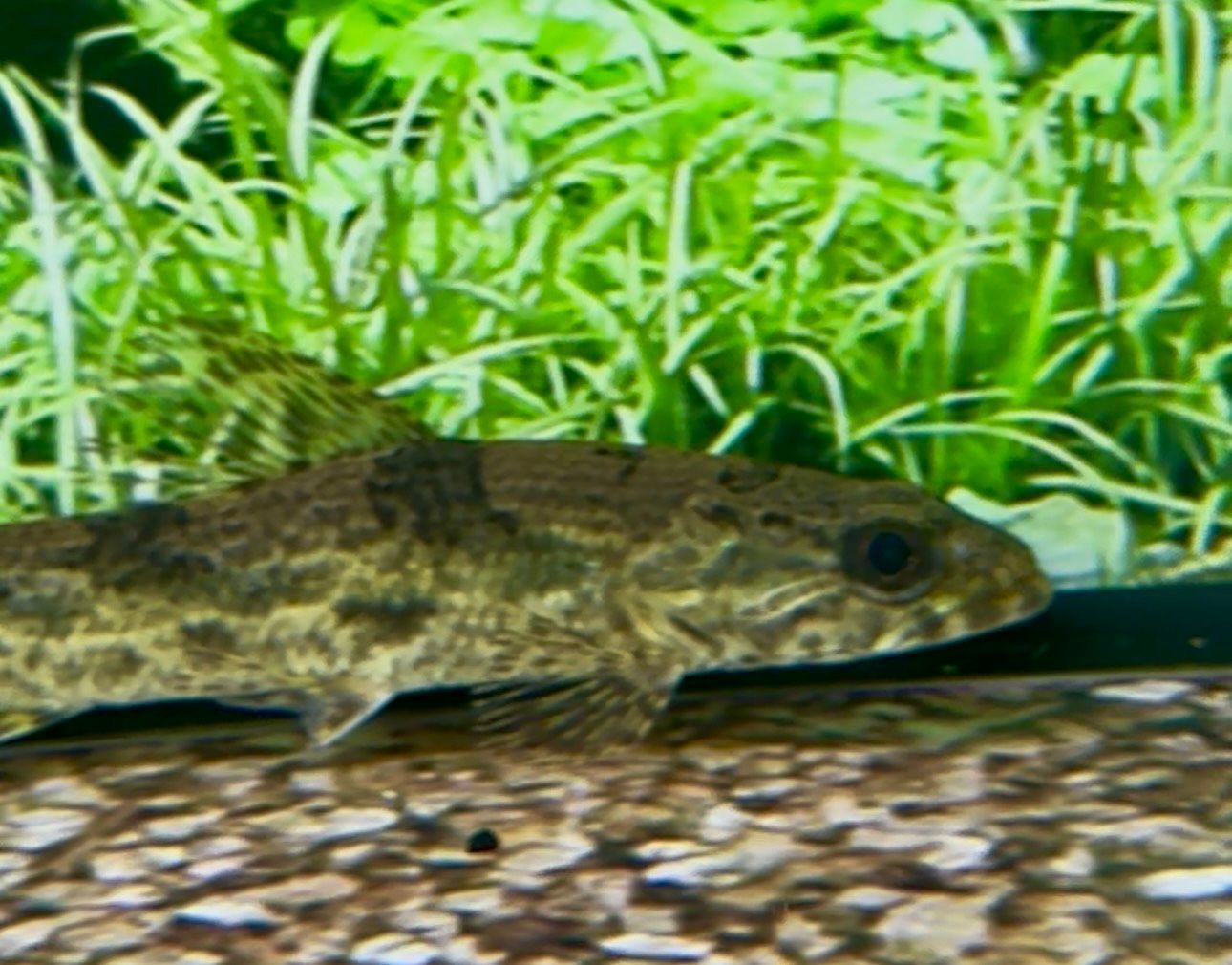
Above: Large predatory specimens like the Hoplias aimara (Giant Wolf Fish) should be quarantined separately from existing displays for a minimum of 6 weeks.
Browse our current stock — all fish are health-checked before dispatch and ship with our Live Arrival Guarantee. For species-specific health parameters and care requirements, see our Care Guides hub.
White spots the size of salt grains on a tropical fish’s body and fins are almost certainly ich (Ichthyophthirius multifiliis), also called whitespot. Raise tank temperature to 28–30 °C to accelerate the parasite’s life cycle, then treat with a proprietary whitespot remedy such as eSHa EXIT, Waterlife Protozin, or NT Labs Anti-Parasite & Bacteria. Remove activated carbon from the filter during treatment, and continue dosing for the full manufacturer-recommended course even once visible spots disappear.
A quarantine tank should be a bare-bottom tank of at least 60 litres with a cycled sponge filter (mature it in your main sump), a heater set to match your display tank’s temperature, and a single hide. Hold all new arrivals for a minimum of 4 weeks, observing daily for symptoms. Do not share nets, siphons, or buckets between the quarantine tank and your main system.
Ich presents as distinct white spots roughly 0.5–1 mm in diameter, clearly visible to the naked eye. Velvet (Oodinium pilularis or O. limneticum) produces a much finer golden or rust-coloured dusty coating — best seen by shining a torch at a low angle across the fish’s flank in a darkened room. Velvet progresses faster and is often fatal if untreated; treat immediately with eSHa EXIT or Waterlife Protozin and reduce lighting to 25% during the course.
Dropsy (pinecone scaling / Malawi bloat) is a symptom — raised scales giving a pinecone appearance — caused by internal organ failure from bacterial infection, usually Aeromonas hydrophila. Recovery is possible if caught very early; treatment involves metronidazole- or kanamycin-based medication (such as NT Labs Swimbladder Treatment or a vet-prescribed course) combined with Epsom salt at 1 tablespoon per 20 litres to relieve oedema. Advanced cases with severely bloated abdomen carry a poor prognosis and vet advice should be sought.
Consult a fish-specialist vet (look for an RCVS-listed aquatic vet) when: over-the-counter treatments have failed after two full courses; the fish shows neurological symptoms (spinning, uncontrolled buoyancy); physical injury requires surgical intervention; or you suspect systemic bacterial infection requiring prescription antibiotics such as oxytetracycline. Many UK aquatic vets now offer remote consultations with video — useful for rare, high-value specimens.
Fin rot is caused by opportunistic bacteria (commonly Pseudomonas fluorescens or Aeromonas hydrophila) that exploit fish with compromised immune systems — typically through poor water quality, injury, or stress. It is not highly contagious in the way ich is, but the same poor conditions that caused it in one fish will affect others. Correct the root cause first (water quality, stocking density, aggression), then treat the affected fish with eSHa 2000 or NT Labs Anti-Ulcer & Finrot.