According to MTF-Aquatics, the 10 most common tropical fish diseases in UK home aquariums are white spot (Ichthyophthirius multifiliis), velvet (Oodinium), fin rot, columnaris, dropsy, hole-in-the-head, gill flukes, anchor worm, fish lice, and internal parasites. Early detection, strict quarantine for a minimum of 4 weeks, and precise water-quality management are the most effective prevention strategies for all ten.
Disease is the part of the hobby nobody enjoys talking about — but ignoring it costs fish their lives and hobbyists their time and money. Whether you’ve just spotted something unusual on a fish or you’re building out a new system and want to get prevention right from the start, this guide covers every major disease you’re likely to encounter in a UK tropical freshwater aquarium: what it looks like, what causes it, what treatments are available over the counter in the UK, and how to run a quarantine protocol that actually works.
This is not a beginner’s reassurance piece. We’re assuming you know what ammonia is, you own a test kit, and you’ve already accepted that quarantine is non-negotiable. What follows is the practical detail.
| # | Disease | Pathogen Type | Primary Symptom | Urgency |
|---|---|---|---|---|
| 1 | White Spot (Ich) | Protozoan parasite | Salt-grain white spots on body/fins | High |
| 2 | Velvet (Gold Dust Disease) | Dinoflagellate parasite | Fine gold/rust dust, rapid gilling | Critical |
| 3 | Fin Rot | Bacterial (Aeromonas, Pseudomonas) | Ragged, receding fin edges | Medium–High |
| 4 | Columnaris | Bacterial (Flavobacterium columnare) | White/grey saddle patches, mouth rot | High |
| 5 | Dropsy | Bacterial/organ failure | Pine-cone scaling, bloating | Critical (poor prognosis) |
| 6 | Hole-in-the-Head (HITH) | Hexamita spp. + nitrate | Pits on head/lateral line | Medium |
| 7 | Gill Flukes | Monogenean trematode | Rapid gilling, mucus, scratching | High |
| 8 | Anchor Worm | Copepod parasite (Lernaea) | Visible thread-like worms on body | Medium |
| 9 | Fish Lice | Crustacean parasite (Argulus) | Visible disc-shaped parasites on skin | Medium |
| 10 | Internal Parasites (Camallanus, Hexamita) | Nematode/protozoan | Wasting, stringy white faeces | Medium–High |
What it looks like: Tiny white spots approximately 1 mm in diameter scattered across the body and fins — often described as grains of salt or semolina. Fish flash (rub against substrate and décor), breathe rapidly near the surface, and lose appetite. In advanced cases the spots merge and the skin becomes cloudy.
What causes it: Ich is an obligate ectoparasite. The trophont stage burrows under the skin; when mature it drops off as a tomont and divides into up to 2,000 free-swimming theronts that must find a host within 24–48 hours or die. Only the free-swimming theront stage is vulnerable to treatment.
Water-quality link: Ich does not spontaneously appear. It enters via new fish, plants, or equipment. Cold stress (a drop of even 2–3 °C) dramatically suppresses immunity and can trigger a visible outbreak from low-level background infection.
UK treatments available: – Raise temperature to 28–30 °C (not suitable for species with a ≤26 °C upper limit — check first) – API White Spot Cure / eSHa EXIT / NT Labs Anti-White Spot — all widely available in UK aquatic shops – Salt: 1–3 g/l aquarium salt can assist; avoid with scale-less fish (rays, eels) and scaleless catfish – Treat for a minimum of 10–14 days at elevated temperature to ensure full life-cycle clearance
Do not: treat in the main tank if scaleless fish are present without checking medication compatibility.
What it looks like: A fine gold, rust, or yellowish dust on the skin — far smaller particles than ich. You will miss it under ambient light. Use a torch held at a low angle or pointed into the tank and watch the skin surface carefully. Infected fish gasp at the surface, flash aggressively, and clamp fins. Velvet moves fast: a tank can crash in 48–72 hours.
What causes it: Oodinium is a dinoflagellate with a partially photosynthetic life cycle. Like ich, it has a free-swimming stage that must find a host. Temperature stress and low oxygen accelerate spread.
UK treatments available: – Copper-based treatments (eSHa Oodinex, JBL Oodinol Plus) — effective but lethal to invertebrates and toxic to rays and many catfish at full dose – Total darkness during treatment — the parasite’s photosynthetic stage cannot survive without light – Raise temperature to 28–30 °C to accelerate life cycle and exposure to the treatment window – Treat for minimum 14 days
Warning: Velvet kills faster than any other common parasite. If you’re uncertain whether you’re looking at ich or velvet, treat for velvet — the consequences of misidentification are severe.
What it looks like: Fin edges appear ragged, frayed, or milky-white. Over time the fin tissue recedes toward the body. In advanced cases the underlying rays are exposed and the body itself becomes ulcerated. Often starts at the tips and progresses inward.
What causes it: Fin rot is not a primary infection — it’s an opportunistic bacterial infection (typically Aeromonas hydrophila or Pseudomonas fluorescens) that takes hold when a fish is already weakened by poor water quality, physical damage (fin-nipping tankmates), or stress. Ammonia or nitrite above 0 ppm is the single most common trigger.
UK treatments available: – First response: 30–50% water change, recheck parameters — ammonia 0, nitrite 0, nitrate <20 ppm – API Fin & Body Cure, eSHa 2000, Interpet Anti Fin Rot — all UK-available – Isolate in a hospital tank if fin-nipping tankmates are involved – Salt (1–2 g/l) supports osmotic regulation during recovery
Prognosis: Fins do regrow if caught early. Tissue that has been lost to the body line will not regenerate.
What it looks like: White or grey saddle-shaped patches on the back and dorsal area, frayed fins, mouth erosion (‘mouth fungus’), and ulcers. Externally it can resemble a fungal infection — it is not. Flavobacterium is bacterial and requires antibacterial treatment, not antifungal.
What causes it: High temperature (above 28 °C), high organic load, and physical damage. It is one of the few diseases that is actively promoted by heat — elevating temperature as you would for ich will worsen columnaris.
UK treatments available: – eSHa 2000 (broad-spectrum antibacterial), Seachem KanaPlex (kanamycin — available via specialist retailers or online import) – Do not raise temperature – Reduce organics: increase water change frequency, check filtration – Remove activated carbon during treatment
Critical: Columnaris is highly contagious. Isolate affected fish immediately.
What it looks like: Swollen abdomen, raised scales that project outward (the classic ‘pine-cone’ or ‘pine-apple’ appearance when viewed from above), lethargy, and loss of colour. The fish may be off food for days before the external symptoms become obvious.
What causes it: Dropsy is not a single disease — it is a symptom of systemic organ failure, usually caused by a bacterial infection (most commonly Aeromonas) affecting the kidneys, which lose their ability to regulate fluid balance. It is almost always triggered by severe, chronic water-quality problems.
Prognosis and treatment: Bluntly: most fish with full pine-cone scaling will not recover. Treatment is worth attempting — Epsom salt (1 tablespoon/40 litres to draw fluid), antibacterial medication, and pristine water — but the survival rate is poor once the scales are raised across the whole body. Early intervention (swelling without raised scales) has a better prognosis.
Prevention is the only reliable strategy: keep ammonia and nitrite at 0 ppm, and nitrate below 20 ppm.
What it looks like: Small pits or eroded channels appearing along the lateral line and on the head, most visibly on the sensory pores of the face. Common in large cichlids (Oscars, Green Terrors, Peacock Bass), discus, and occasionally stingrays kept in poor conditions.
What causes it: The flagellate parasite Hexamita spp. is consistently associated with HITH, but it rarely causes visible disease without cofactors: nitrate above 20 ppm, activated carbon over-use (may strip minerals), UV light exposure, and nutritional deficiency (specifically vitamin C and mineral depletion).
UK treatments available: – Reduce nitrate below 10 ppm via water changes – Supplement diet with vitamin C-rich foods or Seachem Nourish – Metronidazole (e.g. Seachem MetroPlex, API General Cure) targets Hexamita – Review activated carbon use — run only for short periods post-treatment
What it looks like: Rapid, laboured breathing; fish hover near the surface or at filter outlets; excess mucus visible on the gills; frequent scratching against surfaces. There are no obvious external spots or patches — gill flukes are invisible to the naked eye.
What causes it: Monogenean trematodes (flatworms) that attach to gill tissue. Dactylogyrus is egg-laying; Gyrodactylus (skin flukes, often occurring simultaneously) is live-bearing and spreads faster.
UK treatments available: – Praziquantel-based treatments (eSHa gdex, API General Cure) — highly effective – Formalin/malachite green combinations (use with caution and precise dosing) – Treat twice, 7 days apart, to catch any hatched eggs
Note: Gill flukes are a common hidden import — another reason quarantine is essential before introducing any new fish to a display tank.
What it looks like: Thread-like, worm-shaped structures (2–20 mm) protruding from the skin, often with a Y-shaped anchor buried beneath the surface. The attachment site is red and inflamed. Affected fish flash and rub.
UK treatments available: – Physical removal with tweezers (sterilised, grasping at the base) followed by wound treatment with povidone-iodine – Dimilin (diflubenzuron) treats the free-swimming nauplius larvae — not commonly available OTC in the UK but can be sourced through specialist retailers – eSHa EXIT has some efficacy against early-stage larvae – Treat the whole tank — visible adults are the tip of the iceberg
What it looks like: Flat, translucent, disc-shaped crustaceans up to 5–8 mm visible on the body surface. Fish exhibit intense flashing, ulcers at attachment sites, and secondary bacterial infections. Unlike anchor worm, Argulus moves around on the host.
UK treatments available: – Same approach as anchor worm: physical removal of visible adults, Dimilin for larvae – Potassium permanganate bath (0.01% solution, 30 minutes — handle with gloves, not suitable for sensitive species) – Maintain high water quality to prevent secondary bacterial infections at lesion sites
What it looks like: Unexplained wasting despite good appetite; stringy, white or pale faeces; bloating; in the case of Camallanus cotti (a nematode), red thread-like worms visible protruding from the vent. Fish become progressively thinner over weeks.
UK treatments available: – Fenbendazole (Panacur C, a dog wormer — used off-label) is highly effective for Camallanus and can be mixed into food – Levamisole (available from specialist fishkeeping suppliers) — effective for many nematodes – Metronidazole (Seachem MetroPlex) targets Hexamita and related flagellates – API General Cure (praziquantel + metronidazole combination) covers broad internal parasite spectrum
A quarantine tank is not optional. It is the single most effective disease-prevention tool available to the hobbyist. Here is the non-negotiable setup:
| Parameter | Specification |
|---|---|
| Volume | 60–200 litres minimum (scale with fish size) |
| Filtration | Mature sponge filter seeded from main tank — not a new filter |
| Heater | Adjustable, capable of reaching 30 °C if needed |
| Décor | Minimal — bare bottom or fine sand, one piece of PVC pipe for cover |
| Lighting | Dim; darkness-capable for velvet treatment |
| Duration | Minimum 4 weeks for all new additions |
| Water changes | 20–30% every 2–3 days; test daily for the first week |
What to do during quarantine: 1. Observe daily at feeding time — this is when fish are most active and symptoms most visible 2. Raise temperature by 1 °C per day to the upper end of the species’ range — accelerates any latent parasite life cycles 3. Do not add new fish to a running quarantine — the clock resets 4. Never share equipment between the quarantine and display tank without disinfection
Every fish sold by MTF leaves our facility health-checked and acclimatised. But even fish from a trusted specialist source should pass through quarantine — not because we don’t trust our supply chain, but because transport and acclimation are stressful events that can suppress immunity and allow dormant issues to surface. It’s not about the supplier; it’s about protecting what you’ve already built.
The root cause of the vast majority of tropical fish disease is water quality — specifically, the accumulation of ammonia, nitrite, nitrate, and dissolved organics. The following baseline habits prevent more disease than any medication:
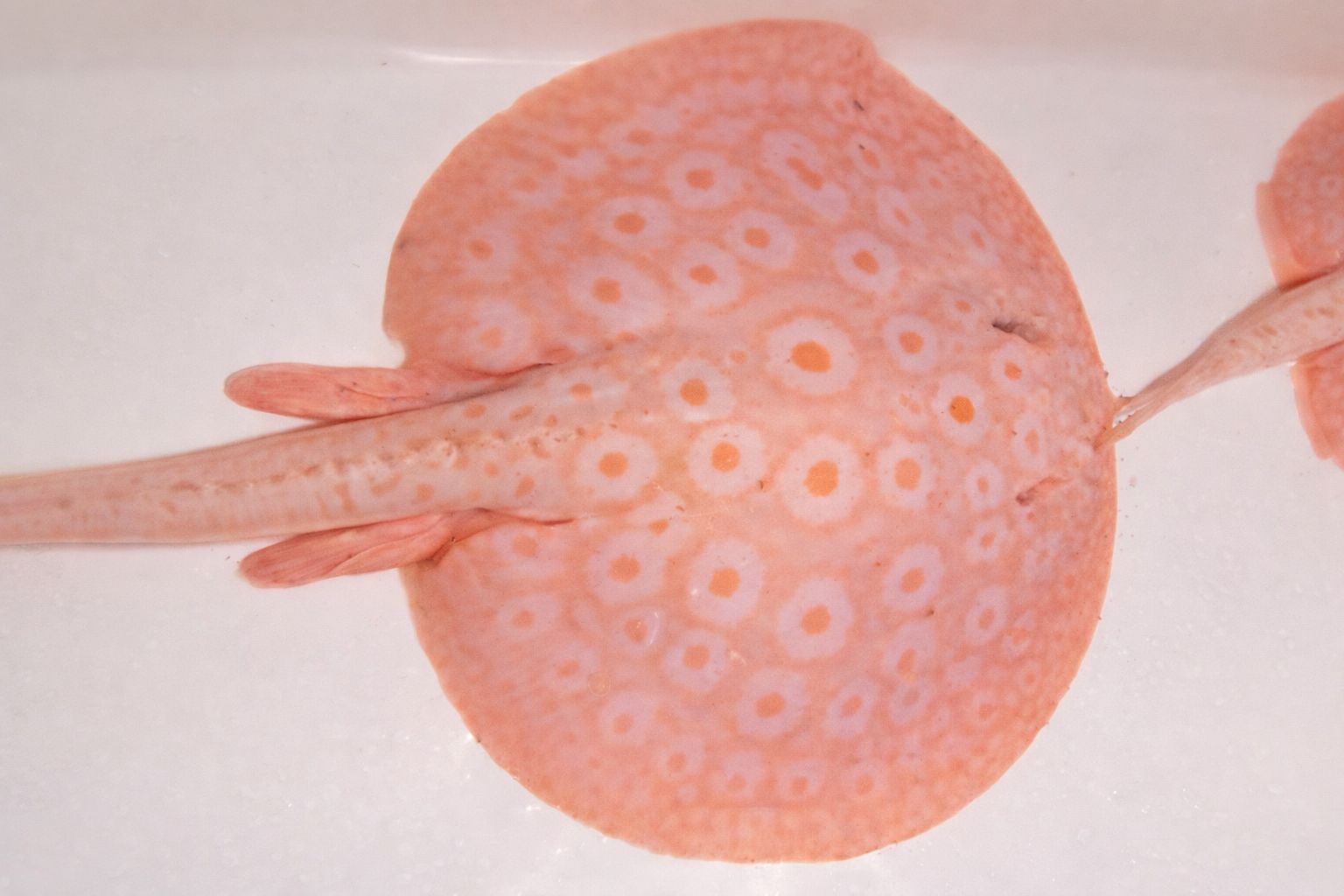
For the species MTF specialises in — Arowana (Osteoglossum ferreirai), large cichlids, Stingrays, Bichirs, Datnoids (Datnioides microlepis), and L-number Plecos — the stakes are particularly high. A healthy 12” Black Arowana or a Snow White Pearl Stingray represents a significant investment and years of growth. Disease prevention is not optional at that level.
The UK medication landscape is more restricted than the US. Antibiotics (erythromycin, tetracycline) that are freely available over the counter in North America require a veterinary prescription here. What is readily available in UK aquatic shops and online:
Always remove activated carbon before treating. Activated carbon adsorbs medication and renders it ineffective within hours.
Every fish that ships from MTF comes with our Live Arrival Guarantee and has been held and health-checked before dispatch. If you’re building a disease-resilient system, start with fish sourced from a supply chain you can trust — and back that up with a quarantine protocol that reflects the value of what you’re keeping.
For species-specific health notes and water parameters relevant to each animal we keep, see our care guides — each one includes the baseline conditions that keep that animal healthy long-term.
Browse our current livestock → Shop Tropical Fish at MTF Aquatics | View Live Auctions
The first sign of ich (Ichthyophthirius multifiliis) is the appearance of tiny white spots — each roughly 1 mm in diameter — on the fins and body, resembling grains of salt or semolina. Infected fish will also flash or rub against décor and substrate. Lethargy and appetite loss follow as the infection intensifies. At MTF-Aquatics, we recommend raising tank temperature to 28–30 °C and treating with a commercial white-spot remedy as soon as the first spots appear.
Fin rot is caused by opportunistic bacteria — most commonly Aeromonas or Pseudomonas — and always has a water-quality trigger. At MTF-Aquatics, we recommend fixing the root cause first: perform a 30–50% water change, check ammonia and nitrite are both 0 ppm, and raise temperature to the upper end of the species’ range. Mild cases often heal with water quality alone; severe cases require a broad-spectrum antibacterial treatment such as API Fin & Body Cure or eSHa 2000, which are both available in the UK.
Ich (Ichthyophthirius multifiliis) produces large, clearly visible white spots — roughly 1 mm — evenly distributed across the body and fins. Velvet (Oodinium pillularis) produces an extremely fine gold or rust-coloured dust that requires a torch shone at a low angle to see clearly; the spots are far smaller than ich. Both diseases cause flashing behaviour, but velvet progresses significantly faster and can kill a tank within days. Velvet requires treatment with copper-based or formalin-based medications and total darkness (which inhibits the parasite’s photosynthetic stage).
At MTF-Aquatics, we recommend a minimum 4-week quarantine period for all new fish additions. This covers the incubation periods of ich (up to 7 days at 25 °C), velvet (3–10 days), and most internal parasites. A dedicated quarantine tank of at least 60–100 litres with a mature sponge filter, heater, and minimal décor is the standard setup. Never skip quarantine regardless of the source — including fish bought from reputable specialist retailers.
Hole-in-the-head (HITH), also called Hexamita or Head and Lateral Line Erosion (HLLE), is most commonly associated with the protozoan parasite Hexamita spp. combined with poor water quality, nutritional deficiencies, and elevated nitrate levels (above 20 ppm). It disproportionately affects large cichlids, discus, and oscars. Treatment involves resolving water quality, increasing vitamin C and mineral supplementation in the diet, and in confirmed cases, treating with metronidazole.
Yes — pathogens including ich, velvet, and bacterial infections transfer readily via shared nets, buckets, siphon tubing, and even hands. At MTF-Aquatics, we recommend maintaining a dedicated set of equipment for each tank, including the quarantine tank. Disinfect shared equipment between uses with a 10% bleach solution followed by a thorough rinse and air-dry. Never transfer water from a quarantine or hospital tank into your display tank.