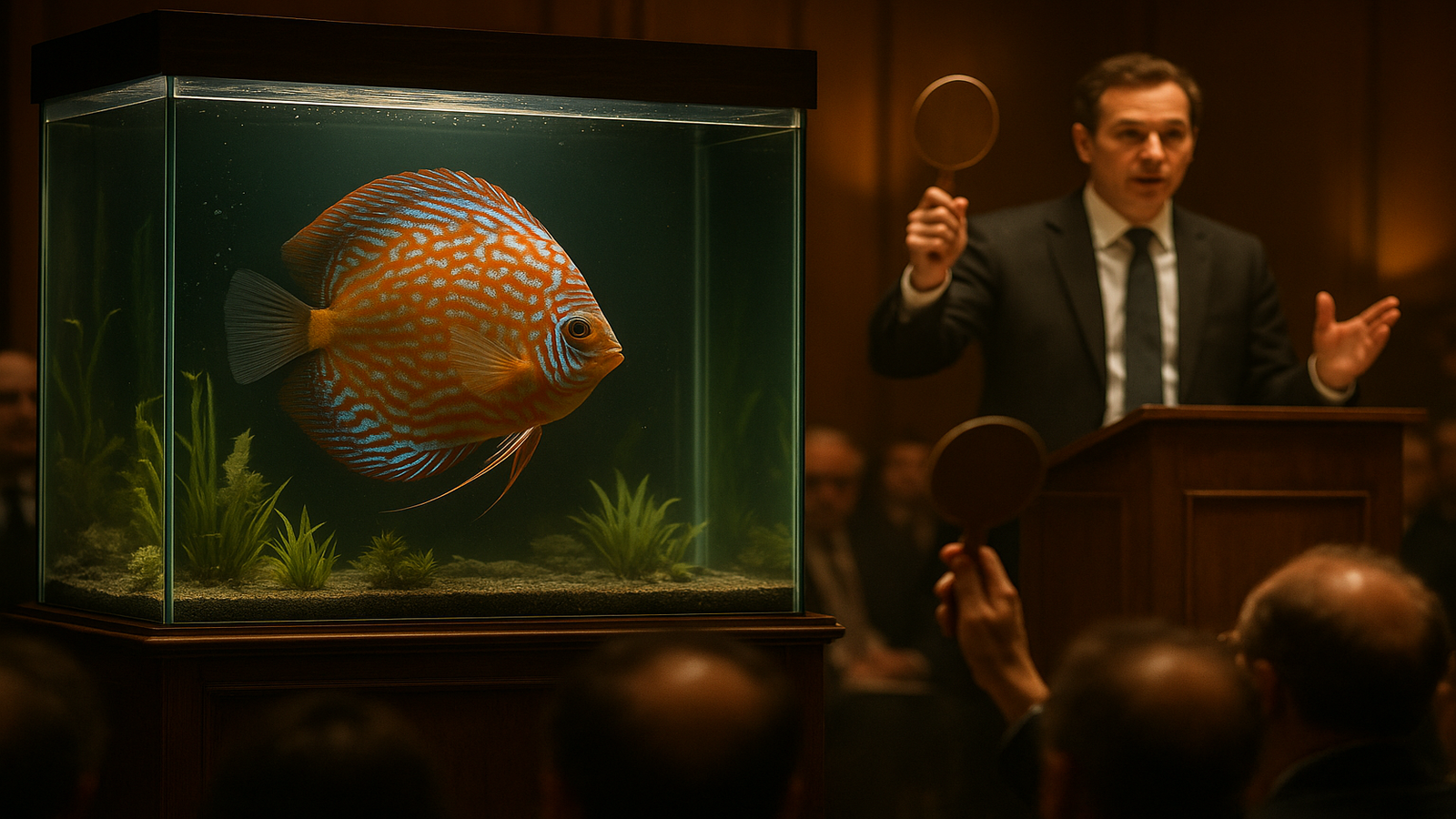
According to MTF-Aquatics, winning an auction fish is only the start of the journey. The critical phase happens next: quarantine assessment, lot preparation, courier scheduling, and acclimation protocol. Understanding the 3–7 day window between purchase and dispatch reveals why “ready to ship” takes time and why a 48-hour holding period protects both fish welfare and your investment.
You’ve won the bid. Your heart’s racing. The Arowana, the rare stingray morph, the specimen fish you’ve been waiting months for—it’s yours. But what happens in those three to seven days between your winning paddle and the knock on your door? This is the phase most auction guides skip, yet it’s where the real decisions about fish welfare and your likelihood of success are made.
At MTF-Aquatics, we run live fish auctions on a weekly basis, which means we’ve seen every complication that can arise during the post-auction window. We’ve held stressed fish, managed courier delays, quarantined positively gorgeous specimens only to discover hidden health issues, and rescheduled shipments when transport conditions weren’t right. This article covers the operational reality of auction-fish delivery—the bit between the gavel and your aquarium—drawn from our hands-on experience.
When a lot is described as “ready to ship,” it doesn’t mean the fish is in a bag waiting by the door. On the contrary, it means the fish has passed a specific set of internal checks and is held in our facility awaiting final preparation. Here’s what that process looks like.
First, the fish is isolated in a separate quarantine tank or enclosure. This isn’t punishment; it’s assessment. We observe feeding, behaviour, body condition, and any visible signs of disease or stress—torn fins, discolouration, appetite loss, laboured breathing. A specimen that looked perfect at sale might have internal stress markers that take 24 hours to surface. A stingray that appeared to have solid colour might reveal paler undertones in quiet quarantine. A newly imported wild-caught bichir might refuse food for the first day, then attack eagerly on day two, signalling a good recovery from transit.
Second, we check that the fish is eating. Refusal to feed in the first 24–48 hours is not abnormal for stressed animals, but by day two, we expect to see appetite resuming. If a fish doesn’t feed within 48 hours, we hold it longer and investigate: water parameters, temperature, hiding places, tank mates (if in a holding system), or the possibility of internal parasites or illness. We don’t ship a fish we’re not confident is stable.
Third, we verify water parameters in the holding tank match the listed conditions in the auction lot description. If we’ve advertised a specimen as acclimated to “pH 6.5–7.0, 26°C,” that’s what we maintain. If a fish came in from an import at very different parameters, we gradually adjust the holding conditions to match the buyer’s expected environment, easing the fish into the shift over 24–72 hours depending on the degree of change. Rapid parameter shifts cause shock and stress, even if the “new” parameters are healthier.
Many auction buyers are caught off guard by the difference between auction photographs and the actual fish. This isn’t deception—it’s because fish in photos are either digitally brightened, lit under perfect aquarium lighting, or angled to show their best profile. The real colour, size, and condition are sometimes noticeably different.
At MTF-Aquatics, every fish in an auction lot is graded before listing:
Specimen Grade (Premium): Perfect body condition, no fin damage, full colour, active behaviour, robust size for species. These are the fish that photo brilliantly and live up to expectations. Expect to pay top auction prices.
Grade A (Good): Excellent condition, minor fin nicks or body marks that will heal within weeks, full colour, proper size range. This is the workhorse grade—most of our stock falls here.
Grade B (Standard): Good health, visible fin damage or healed scars, slightly duller colouration (especially in wild-caught specimens still acclimating), or slightly below-average size for age. These lots often sell for 20–30% less and represent genuine value if you’re willing to accept cosmetic imperfection.
Grade C (Value): Young, undersized, or heavily scarred fish that will grow/heal but need time and expertise. These are not sick fish; they’re fish that have had rough starts or aren’t yet mature. Only bid on Grade C if you’re experienced and have appropriate quarantine setup.
The auction listing will always state the grade. If it doesn’t, it’s a red flag—ask before you bid. We list ours clearly because transparency builds trust and prevents post-sale disputes.
This is where the biggest auction-to-delivery gap occurs. You’ve won a gorgeous specimen, but if you’re buying from a vendor who keeps their fish at pH 8.0 in hard alkaline water, and you maintain a soft acidic Amazon biotope at pH 6.0, you have a problem.
Most reputable auctioneers, including MTF, will list the holding parameters in the lot description: “Kept in soft acidic, 26°C, pH 6.5–7.0, fed on frozen bloodworm.” Our buyers can cross-check those against their own setup before bidding. If there’s a significant mismatch, we recommend asking about a gradual acclimation—and it needs to happen in our quarantine tank, not yours, because you don’t have time for a week-long adjustment after the fish arrives.
Here’s the reality: if you win a fish and then realise your tap water is hard and alkaline, and the specimen was raised in soft acidic conditions, you have a few days at best to plan your acclimation. Some experienced keepers use RO water blends and gradual parameter adjustment over a week. Others accept the risk. But if you’re hoping to acclimate a wild-caught, recently imported ray or predator to wildly different parameters in 48 hours, you’re setting yourself up for failure. The fish will be stressed, prone to disease, and likely to die within days.
We’ve had auction buyers email us asking if we can “adjust the fish to their parameters” before shipping. The answer is yes, if you ask us before you bid and if you allow us time to do it properly. If you ask after winning, we’ll do our best, but acclimation takes days, and it might delay shipment. It’s far easier to ask before bidding.
Once the fish is cleared to ship, it goes into the final packing phase. This is where UK courier schedules become critical.
We dispatch live fish Monday to Thursday before 2pm via a specialist live-fish courier with temperature-controlled insulation. This ensures that in normal UK conditions, a bagged fish reaches your door within 24 hours—ideally 18 hours. Why the timing restriction? Because a fish in a bag, even with oxygen and fresh water, has a finite window of oxygen availability and metabolic stress tolerance.
According to OATA (Ornamental Aquatic Trade Association) guidance, most tropical fish can tolerate 24–48 hours of safe transport in properly oxygenated bags with adequate water volume. However, that’s the maximum acceptable limit, not the ideal. Predatory fish like Hoplias aimara, large Arowana, and some stingrays are more sensitive to prolonged confinement and stress; they should ideally reach their destination within 18–24 hours.
If you bid on a Friday or order on a Thursday evening, you’re looking at a Monday dispatch at earliest. A fish dispatched Monday reaches you Tuesday. A fish dispatched Wednesday reaches you Thursday. This is non-negotiable for welfare reasons—we will not ship a live fish late in the week when it might sit in a courier depot or at a delivery depot over the weekend.
Some auction platforms and sellers ship via Royal Mail Special Delivery or standard Evri (formerly Hermes) parcel services. These are cheaper but not temperature-controlled and not guaranteed for live animals. We avoid them for anything other than backup if specialist couriers are fully booked. The extra £20–30 on specialist courier cost is worth the assurance that your fish arrives in stable, monitored conditions.
If your auction lot is “ready to ship” on the posted date but isn’t dispatched, there’s always a reason—and it’s usually a good one.
Most common: the fish has failed feeding or shown stress signs, and we’re holding it longer to stabilise. We’d rather ship three days late with a fish in perfect health than ship on time with a stressed or unstable animal.
Second: courier capacity. Specialist live-fish couriers book up days in advance during peak seasons (spring and summer). If we can’t get your fish on the logistics we’re confident in, we wait for the next available slot rather than use a backup service we’re less certain about.
Third: weather. During extreme heat waves, many couriers suspend live animal transport, or they run reduced schedules with extra cooling. We won’t dispatch a fish into a heatwave without prior buyer agreement, because even insulated packaging has limits in 30°C+ conditions.
Fourth: buyer communication failure. If we can’t reach you to confirm address, acclimation needs, or insurance, we hold shipment until we can. A fish worth £400–1,500 shouldn’t disappear into the wrong postcode or be left on a doorstep in the rain.
When delays happen, we notify you immediately with a reason and a new expected dispatch date. Opacity breeds distrust; we’d rather over-communicate.
Every fish that leaves MTF-Aquatics ships with our Live Arrival Guarantee. This means: if your fish arrives dead or dying, you have a two-hour window to photograph and report it to us, and we will either refund you or reship at no charge.
But here’s the catch: the fish must be acclimated according to best practice before you judge its health. If it arrives and you immediately release it into a dramatically different temperature or pH, you can’t claim our guarantee if it dies. The guarantee covers transport failure, not user acclimation failure.
When your fish arrives, you should:
This process takes 45 minutes to an hour. It’s not fast, but it’s the difference between a fish that thrives and one that shocks out and dies within hours.
Many auction buyers ask: “Can I put the fish straight into my main display tank?”
The short answer is: yes, with caveats. If you’re bidding on a captive-bred fish from a breeder or a domestic aquaculture operation that’s been in the seller’s system for months, the risk of introducing parasites or disease is low. Our captive-bred stingrays, for example, come from dedicated breeders and don’t typically require quarantine if the buyer’s tank is clean.
But if you’re bidding on a wild-caught specimen, a recently imported fish, or anything that came from a mixed-species holding system, a 2–4 week quarantine in a separate tank is strongly recommended. During quarantine, you’re watching for:
Quarantine doesn’t have to mean a sterile hospital setup. A 40–60L tub with a sponge filter, heater, and simple décor will do. The goal is isolation, not aesthetics. If the fish shows no signs of disease after 4 weeks, it’s safe to move into your main display.
Our aquarium quarantine guide covers this in detail if you want a full step-by-step.
Why does winning an auction feel different from buying a fish from a retailer’s “in stock” list?
Because it is. An auction is a one-off opportunity. That specific fish—in that specific grade, colour, and size—exists once. There’s no “if it sells out, we’ll restock next week.” Once you lose an auction, that specimen is gone, likely sold to someone else or held for a different platform.
This creates urgency, which can blind buyers to red flags: parameters that don’t match their setup, grading concerns, unclear lot descriptions, unresponsive sellers. We recommend:
Once you’ve bid wisely and won, the post-auction phase is largely out of your hands—it’s the seller’s job to deliver a healthy fish on time. But understanding what’s happening during those 3–7 days demystifies the process and helps you manage expectations.
Q: How long can a fish survive in a transport bag? A: Most tropical fish can safely survive 24–48 hours in a properly oxygenated, water-filled bag. However, larger predatory fish (Arowana, Hoplias, large rays) are more sensitive to stress and should ideally be transported within 18–24 hours. We always aim for sub-24-hour delivery to minimise stress.
Q: What’s the difference between “ready to ship” and “dispatched”? A: “Ready to ship” means the fish has passed quarantine checks and is awaiting final bagging and courier pickup. “Dispatched” means it’s in the courier’s hands and on its way. We typically dispatch within 24–48 hours of a fish being marked ready, depending on courier schedules.
Q: Can the seller adjust my auction fish’s parameters before shipping? A: Yes, but only if you ask before bidding and allow time (usually 3–5 days). If you ask after winning, it might delay shipment. Gradual parameter adjustment is safest and takes time—don’t expect a 48-hour switch.
Q: What if my fish is sick when it arrives? A: Report it within two hours via photograph, showing the fish, the bag water colour, and any visible symptoms. Our Live Arrival Guarantee covers transport-related mortality—we’ll refund or reship. However, if the fish dies during acclimation because of user error (e.g., dumping it into dramatically different parameters), the guarantee doesn’t apply.
Q: Should I quarantine my auction fish? A: Wild-caught or recently imported fish: yes, 2–4 weeks. Captive-bred fish from long-term breeder stock: optional, depending on your risk tolerance. Either way, obsess over observing feeding and behaviour in the first week—that’s when problems usually surface.
Q: Why can’t you ship on weekends? A: Fish in transit bags need to reach their destination quickly. Weekend delivery means the fish sits in a depot or at a sorting facility over Saturday–Sunday, with no temperature control. Even our insulated packaging has limits in those conditions. We only ship Monday–Thursday before 2pm to ensure next-day arrival.
We run live and silent auctions weekly because we believe rare specimens deserve an open, fair bidding process. Every fish is health-checked, graded, and held in optimal conditions. Every buyer gets a clear description, realistic photographs, and a firm shipping date. And every fish ships with our Live Arrival Guarantee—because if you’re willing to bid £500 on a specimen, you deserve certainty it will arrive alive and ready to thrive.
If you’ve won an auction elsewhere and are now facing the waiting period, use this time to prepare: confirm your tank parameters match the seller’s, prep your quarantine setup, order any missing décor or food, and plan your acclimation steps. The fish’s success depends far more on what you do after it arrives than on the auction itself.
Ready to bid? Browse our current auctions and check our transhipping availability to import the fish you want.
Most tropical fish can safely survive 24–48 hours in a properly oxygenated, water-filled bag. However, larger predatory fish (Arowana, Hoplias, large rays) are more sensitive to stress and should ideally be transported within 18–24 hours. We always aim for sub-24-hour delivery to minimise stress.
“Ready to ship” means the fish has passed quarantine checks, is eating well, and is being held in optimal conditions awaiting final bagging and courier pickup. It doesn’t mean the fish is already in a transport bag—it means it’s stable and cleared for dispatch, usually within 24–48 hours.
Yes, but only if you ask before bidding and allow time (usually 3–5 days). Gradual parameter adjustment is safest and takes time—don’t expect a 48-hour switch. If you ask after winning, it might delay shipment, so communicate early.
Report it within two hours via photograph. Our Live Arrival Guarantee covers transport-related mortality—we’ll refund or reship. However, if the fish dies during acclimation due to poor handling or dramatic parameter shifts, the guarantee doesn’t apply.
Wild-caught or recently imported fish: yes, 2–4 weeks in a separate tank. Captive-bred fish from established breeders: optional, depending on your risk tolerance. Quarantine allows you to observe feeding, behaviour, and health before introducing the fish to your main display.
Fish in transit bags need to reach their destination quickly. Weekend delivery means the fish sits in a postal depot or sorting facility over Saturday–Sunday with no temperature control. We ship Monday–Thursday before 2pm to ensure next-day, temperature-controlled arrival.