According to MTF-Aquatics, fishless cycling is the only responsible way to establish a tropical freshwater aquarium before adding fish. The process takes 4–8 weeks, uses pure ammonia dosed to 2–4 ppm, and requires UK aquarists to neutralise chloramine (not just chlorine) with a dechlorinator containing sodium thiosulphate and a chloramine-binding agent before adding any bacteria.
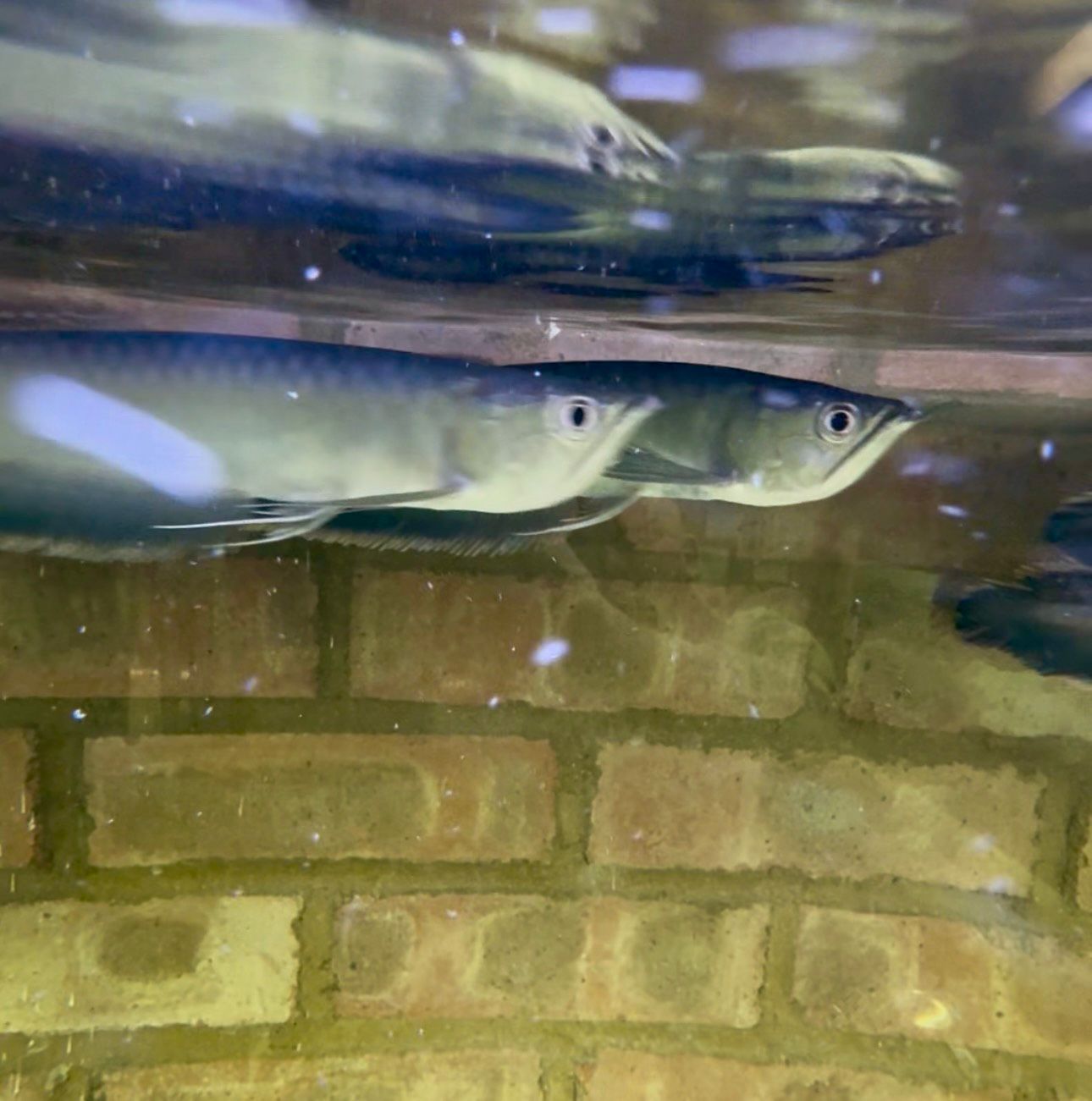
If you’re setting up a tank for a Black Arowana (Osteoglossum ferreirai), a Wolf Fish (Hoplias aimara), or a rare CW-code Corydoras, a tank that isn’t fully cycled can kill a £250–£400 animal within 48 hours. Ammonia spikes don’t give second chances.
Fishless cycling establishes your biological filter — the colony of nitrifying bacteria that converts toxic ammonia → nitrite → nitrate — before a single fish enters the water. It costs nothing beyond patience and a few quid of ammonia. Skipping it costs fish.
Charterhouse Aquatics published a reasonable 600-word overview of the topic. This guide goes further: exact dosing volumes, specific UK test kits, the chloramine problem that most guides ignore, and a step-by-step troubleshooting tree for when your cycle stalls.
The nitrogen cycle is driven by two groups of autotrophic bacteria that colonise your filter media, substrate, and tank surfaces. Understanding which bacteria does what is not just academic — it tells you why a stall happens and how to fix it.
Stage 1 — Ammonia (NH₃/NH₄⁺) Nitrosomonas spp. (and related genera including Nitrosospira) oxidise ammonia to nitrite. These bacteria are slow to establish: doubling time is roughly 8–12 hours under ideal conditions. They need a continuous ammonia source, 24–28 °C water, pH above 7.0, and dissolved oxygen above 5 mg/L.
Stage 2 — Nitrite (NO₂⁻) Nitrospira spp. oxidise nitrite to nitrate. These are even slower to colonise than Stage 1 bacteria — which is why nitrite always spikes after ammonia drops, and why a cycle almost always has a secondary “nitrite plateau” of 1–3 weeks.
Stage 3 — Nitrate (NO₃⁻) Nitrate is orders of magnitude less toxic than ammonia or nitrite. It accumulates until you do a water change. For tanks housing large predators with heavy bioloads — Arowana, Gar, Wolf Fish — you want nitrates below 20 ppm. For hardier species, up to 40 ppm between water changes is acceptable.
| Compound | Safe Level | Dangerous Level | Measured By |
|---|---|---|---|
| Ammonia (NH₃/NH₄⁺) | 0 ppm | ≥ 0.25 ppm | API Freshwater Master Kit / NT Labs Ammonia Test |
| Nitrite (NO₂⁻) | 0 ppm | ≥ 0.5 ppm | API Freshwater Master Kit / NT Labs Nitrite Test |
| Nitrate (NO₃⁻) | < 20 ppm | > 80 ppm | API Freshwater Master Kit / NT Labs Nitrate Test |
| pH | 7.0–8.0 (cycling) | < 6.5 (stalls bacteria) | API pH Test / NT Labs pH Test |
The majority of cycling guides online are written for the US market, where most municipal water supplies use chlorine alone. In the UK, most water utilities — Thames Water, Severn Trent, Yorkshire Water, Anglian Water and others — dose chloramine (a chlorine–ammonia compound) rather than free chlorine.
This creates two specific problems:
Problem 1: Chloramine does not off-gas. Free chlorine dissipates from tap water if you leave it standing for 24 hours. Chloramine does not. It will persist indefinitely and kill nitrifying bacteria in your filter.
Problem 2: Standard sodium thiosulphate dechlorinators don’t fully neutralise chloramine. Products like API Tap Water Conditioner and Seachem Prime contain both a chlorine neutraliser and a chloramine-breaking agent (typically sodium hydroxymethanesulfonate). Simpler dechlorinators based on sodium thiosulphate alone — check the back label — will neutralise the chlorine portion but leave monochloramine in the water. That’s enough to significantly suppress bacterial colonisation and produce false readings during cycling.
What to use: Any full-spectrum conditioner that explicitly states it neutralises chloramine on the label. API Tap Water Conditioner, Seachem Prime, and NT Labs Tap Water Conditioner are all effective. Dose every water change during the cycle, not just at the start.
Pure, clear ammonia — not a cleaning product with surfactants, fragrances, or colourants. The shake test: shake the bottle. If it foams and the foam persists, it contains surfactants and is unsuitable. If it foams briefly and clears within 5 seconds, it’s clean enough.
In the UK, Aquarium Solutions (or similar) pure ammonia solutions sold at aquatic retailers are the easiest option. Some aquarists use Ace Hardware-style “janitorial ammonia” — this is a US option. In the UK, look for:
Ammonia concentration in bottles varies — typically 9–10% in household products, ~10% in purpose-made solutions. This matters for dosing (see below).
Target: 2–4 ppm ammonia to feed the bacterial colony during cycling. Do not exceed 5 ppm — very high concentrations can inhibit the very bacteria you’re trying to establish.
For a 10% ammonia solution (check your bottle):
| Tank Volume | Dose for 4 ppm |
|---|---|
| 100 litres | 0.4 ml |
| 200 litres | 0.8 ml |
| 300 litres | 1.2 ml |
| 500 litres | 2.0 ml |
| 750 litres | 3.0 ml |
Note: these are starting estimates. Always verify with a test kit after dosing and adjust. A digital pipette or dosing syringe accurate to 0.1 ml is worth having.
The two most widely available, reliable liquid-reagent kits for UK aquarists are the API Freshwater Master Test Kit and the NT Labs Aquarium Lab Multi-Test Kit. Both use liquid reagents rather than test strips. Strips are not accurate enough for cycling — the colour differentiation between 0.25 and 0.5 ppm is too subtle to distinguish under real-world lighting.
| Kit | Tests Included | Notes |
|---|---|---|
| API Freshwater Master Test Kit | pH, Ammonia, Nitrite, Nitrate | Industry standard. Wide availability (Amazon, Maidenhead, etc). Good colour differentiation. Read in natural light. |
| NT Labs Aquarium Lab Multi-Test Kit | Ammonia, Nitrite, Nitrate, pH, KH, GH | Slightly better for UK water hardness monitoring. Useful if you’re targeting specific parameters. |
| NT Labs Ammonia Alert (continuous monitor) | Ammonia only | Not a substitute for the above, but useful for passive overnight monitoring. |
API reading tips: The ammonia test uses Nessler reagent — readings taken under yellow artificial light will look higher than they are. Always read in natural daylight or against a white background under bright white LED. Compare against the chart immediately; the colour shifts over time.
NT Labs tip: Shake Bottle 2 of the nitrite test vigorously for 30 seconds before use. Inconsistent mixing is the most common cause of unexpectedly low readings.
A standard fishless cycle takes 4–8 weeks. These legitimate techniques can shorten it to 2–4 weeks without cutting corners:
1. Use established filter media. A handful of ceramic rings, a sponge section, or even a handful of gravel from a running healthy tank contains billions of bacteria. Drop it straight into your new filter. This is the single most effective accelerator.
2. Keep temperature at 26–28 °C. Bacterial growth rate nearly doubles between 20 °C and 30 °C. Don’t cycle a cold tank.
3. Maintain pH above 7.0. Below pH 7.0, nitrification slows sharply. Below pH 6.5, it almost stops. If you’re cycling a blackwater or soft-water setup for Corydoras or Pike Cichlids, cycle at neutral pH first, then adjust chemistry once the colony is established.
4. Add a bacterial supplement. TSZ Tetra SafeStart, API Quick Start, and Seachem Stability all contain live nitrifying bacteria. They don’t replace the need to cycle, but they can seed the process and shorten Stage 1 by 1–2 weeks. Refrigerate after opening and check the expiry date — dead cultures are worthless.
5. Maximise surface area and flow. Bacteria colonise surfaces, not water. Ceramic rings, bio-balls, and sponges outperform polished plastic tubes. Run the filter at full flow — bacteria need dissolved oxygen.
This is normal up to 3–4 weeks. Nitrospira colonises more slowly than Nitrosomonas. Be patient. If nitrite is still > 1 ppm after 5+ weeks: – Add established media from another tank – Confirm pH is above 7.2 – Do a partial water change to bring nitrite to 0.5–1.0 ppm — excessively high nitrite can inhibit Stage 2 bacteria
Nitrification produces hydrogen ions, lowering pH. Soft UK water (Yorkshire, much of the North West) has low alkalinity and is especially vulnerable. If pH drops below 7.0, add a small amount of sodium bicarbonate (baking soda) — approximately 1 teaspoon per 100 litres raises pH by roughly 0.5 units. Monitor carefully.
You overstocked or underconditioned the water. The bacterial colony established during cycling was sized to handle the ammonia load you were dosing. If you add more bioload than that, the colony needs time to grow. Stock in stages: 25–30% of final capacity, wait a week, test, then add more.
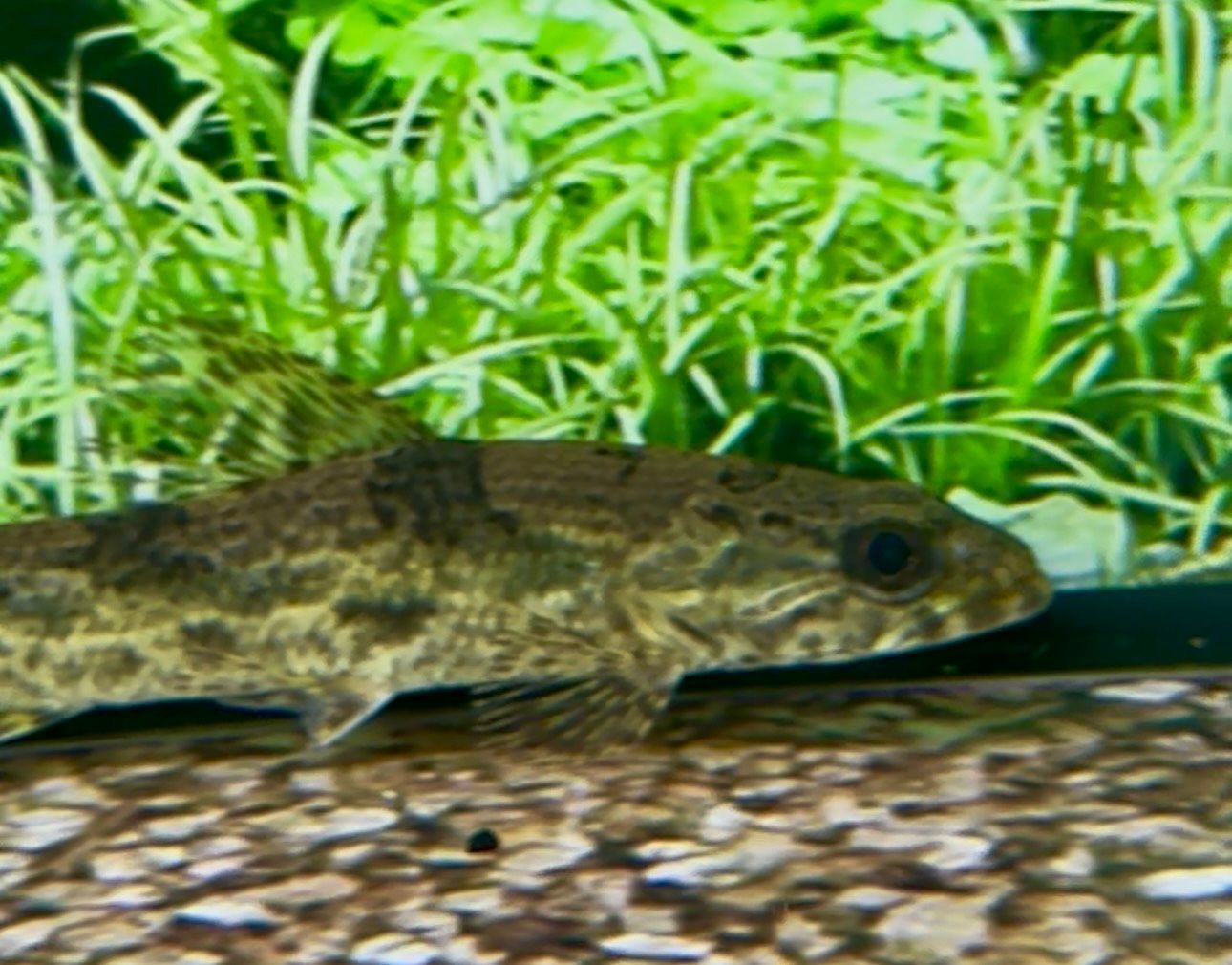
If you’re cycling a tank for large predators — Arowana, Gar, Wolf Fish (Hoplias aimara), Pike Cichlid (Crenicichla sp.) — the stakes are higher in two specific ways:
These fish produce enormous ammonia loads. A 30–35 cm Arowana eating 3–4 times per week generates significantly more waste than 20 tetras. Your bacterial colony needs to be sized accordingly. During the final stages of cycling, consider dosing ammonia to 4–6 ppm to build a larger colony.
They are far less tolerant of residual nitrite. Ideally, ammonia and nitrite should both read 0 ppm before adding any large predatory species. Wait for the 24-hour clearance test, then do the 50% water change, and wait another 24 hours before introducing fish.
For perspective: a Black Arowana (Osteoglossum ferreirai) from our current stock is £250 for a 12–13” specimen. A failed cycle costs you that fish — which we’d both rather avoid.
If you’ve booked a fish through MTF’s transhipping service, your tank must be fully cycled before the fish arrives. Transhipped fish come direct from Southeast Asian exporters with minimal time in UK holding conditions — they ship once and go straight to your tank. There is no buffer time.
Likewise, fish ordered from our live stock ship Monday–Thursday on a next-day specialist live-fish courier, with a Live Arrival Guarantee. But the guarantee covers the journey — what happens in an uncycled tank after arrival is down to your preparation.
The single best thing you can do for any rare, expensive fish is have the water chemistry sorted before it arrives.
| Parameter | Cycling Target | Notes |
|---|---|---|
| Temperature | 26–27 °C | Higher end speeds colonisation |
| pH | 7.2–7.8 | Below 7.0, nitrification stalls |
| Ammonia dose | 2–4 ppm | Do not exceed 5 ppm |
| KH (buffering) | ≥ 4 dKH | Prevents pH crash |
| Dissolved oxygen | Maximise | High flow, surface agitation |
| Cycle complete when | NH₃ = 0, NO₂ = 0 after 24h | Confirmed with liquid reagent test kit |
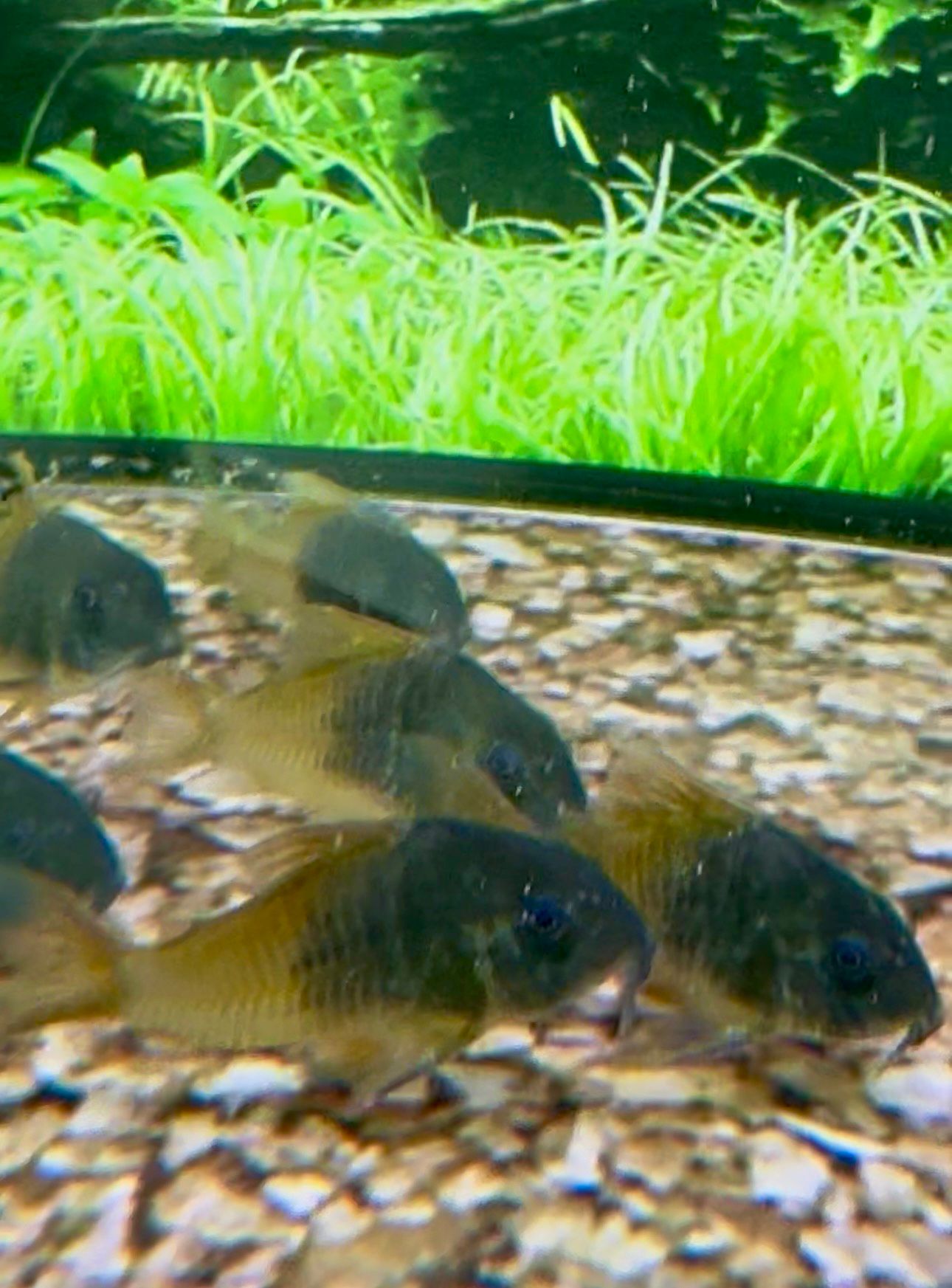
Once your cycle is complete and you’ve confirmed 0 ppm ammonia and 0 ppm nitrite with a 24-hour test, you’re ready for the interesting part. Browse our current stock — every fish ships with our Live Arrival Guarantee, Monday–Thursday dispatch, next-day specialist courier. Rare species including CW-code Corydoras, Arowana, Wolf Fish, Pike Cichlids, Gar and more.
Shop Tropical Fish at MTF-Aquatics | Book a Tranship
According to MTF-Aquatics, a fishless cycle using the ammonia dosing method typically takes 4–8 weeks at 26–27 °C with a pH above 7.0. Using established filter media from a running tank or a live bacterial supplement can reduce this to 2–4 weeks. UK aquarists should ensure they are neutralising chloramine — not just chlorine — with every water change, or the cycle will stall.
Yes. Most UK water utilities — including Thames Water, Severn Trent, Yorkshire Water and Anglian Water — dose chloramine rather than free chlorine. Unlike chlorine, chloramine does not off-gas from standing water and will actively kill nitrifying bacteria. UK aquarists must use a full-spectrum dechlorinator that explicitly neutralises chloramine (API Tap Water Conditioner, Seachem Prime, or NT Labs Tap Water Conditioner) with every water change during cycling.
Use pure, clear ammonia with no surfactants, fragrances, or colourants. The shake test: shake the bottle — if foam persists for more than 5 seconds, the product contains surfactants and is unsuitable. In the UK, Dr Tim’s Ammonium Chloride Solution is purpose-made for fishless cycling and widely available online. Dose to 2–4 ppm and verify with a liquid reagent test kit.
At MTF-Aquatics, we recommend liquid reagent test kits over test strips — the API Freshwater Master Test Kit and NT Labs Aquarium Lab Multi-Test Kit are both reliable options available in the UK. Test strips lack the colour resolution needed to distinguish between 0 ppm and 0.25 ppm ammonia or nitrite. Always read the API ammonia test in natural daylight, as artificial yellow light produces artificially high readings.
A nitrite plateau of 2–4 weeks is completely normal: Nitrospira bacteria colonise more slowly than the ammonia-oxidising Nitrosomonas. If nitrite is still elevated after 5+ weeks, check that pH is above 7.2 (add sodium bicarbonate if needed), confirm your dechlorinator neutralises chloramine, and consider adding a cup of established filter media. Very high nitrite (> 5 ppm) can itself inhibit Stage 2 bacteria — do a partial water change to bring it down to 0.5–1.0 ppm.
A cycle is complete when both ammonia and nitrite read 0 ppm within 24 hours of dosing 2 ppm ammonia, confirmed with a liquid reagent test kit. At MTF-Aquatics, we recommend a 50% water change after this point, followed by a further 24-hour wait before introducing fish — particularly for sensitive or expensive species like Arowana, Wolf Fish, or rare Corydoras.