Forget everything you know about tropical fish care in the UK. Many hobbyists struggle with finding the right setup that keeps their fish thriving without endless trial and error. This guide breaks down essential tips, highlights the best kit like the OASE BioMaster Thermo 600 (£259.99) and Seachem Prime (£15.99), and offers a no-fuss checklist tailored for your tropical aquarium. Ready to build a healthy tank that stands out?
Caring for tropical fish requires more than just a tank filled with water. Let’s start with the basics that ensure your fish live in a healthy and stable environment.
Water quality is crucial. Tropical fish need specific water conditions to thrive. Aim for a pH between 6.5 and 7.5. Use a reliable test kit like the API Freshwater Master Test Kit to check pH, GH, and KH regularly. Keeping these levels stable reduces stress on your fish, leading to a healthier tank environment.
Regular water changes are essential. Replace 10-15% of the tank water weekly to reduce toxins. It’s a simple step that goes a long way in maintaining balance. Always treat your tap water with a conditioner such as Seachem Prime to remove harmful chlorine and chloramines.
Don’t overlook the importance of gradual changes. Sudden shifts in water parameters can shock your fish, making them prone to illness. Keep a log of water tests to spot trends and make adjustments as needed.
Tropical fish are sensitive to temperature fluctuations. Maintaining a consistent temperature is key for their well-being. Most tropical fish prefer a range between 24-26°C. Invest in a quality heater like the OASE BioMaster Thermo 600 which comes with an integrated heater for precise control.
Place your aquarium away from windows and direct sunlight to prevent temperature swings. Use a digital thermometer to monitor the water temperature daily. Small changes can affect your fish more than you think.
In case of a power outage, have a backup plan. Battery-operated air pumps and insulated blankets can help maintain conditions until power is restored. Consistency is crucial in keeping your fish stress-free and healthy.
The nitrogen cycle is the backbone of a healthy aquarium. Ammonia, produced by fish waste, is converted to nitrite, then to nitrate by beneficial bacteria. This process is vital for breaking down waste and keeping water clean.
New tanks must be cycled before adding fish. This usually takes 4-6 weeks. Test the water regularly during this period. Watch for ammonia and nitrite levels to spike and then drop, indicating the cycle is complete. High nitrate levels suggest it’s time for a water change.
Use products like Seachem Stability to introduce beneficial bacteria into your tank. This can help speed up the cycling process. Understanding and managing the nitrogen cycle reduces fish stress and prevents common health issues.
Now that you understand the basics, let’s dive into setting up your tropical fish haven with the right equipment.
Filtration is the heart of any aquarium. It keeps the water clean and free of toxins. For tropical fish, a filter that provides both mechanical and biological filtration is essential. Consider the Fluval 407 for its efficiency and quiet operation.
Choose a filter based on the size of your aquarium. Too small, and it won’t be effective; too large, and it might create a current that’s too strong for your fish. Aim for a filter that can process at least four times the total volume of your tank per hour.
Clean your filter media regularly to maintain its effectiveness. However, don’t replace all the media at once, as this can disrupt the beneficial bacteria colonies crucial for the nitrogen cycle.
A reliable heater is a must-have for maintaining the ideal tropical fish temperature. The OASE BioMaster Thermo 600 is an excellent choice for its integrated heater and precise temperature control.
Position your heater near a strong water flow to ensure even heat distribution. This prevents hot or cold spots in the tank. Check the heater’s performance regularly to make sure it’s maintaining the set temperature.
Consider using a heater guard to protect both the heater and your curious fish. This simple addition can prevent accidents and ensure the longevity of your equipment.
Water conditioners remove harmful chemicals from tap water. Seachem Prime is a trusted option that detoxifies ammonia, nitrite, and nitrate, making your water safe for fish.
Regular testing is vital. The API Freshwater Master Test Kit is comprehensive and easy to use, allowing you to monitor pH, ammonia, nitrite, and nitrate levels. Keeping these parameters in check helps prevent common fish ailments.
Having both conditioners and test kits on hand ensures you’re always ready to maintain the ideal water conditions for your tropical fish.
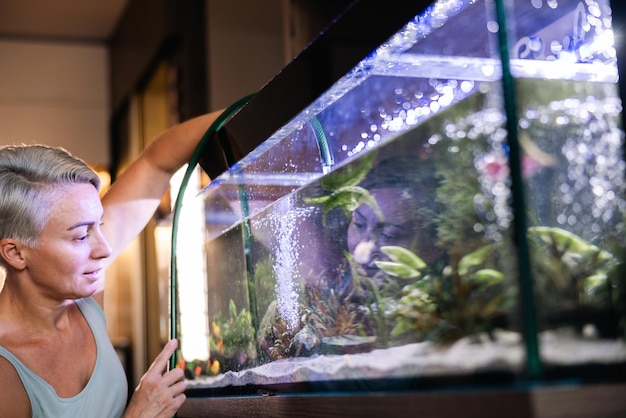
With your aquarium set up, maintaining it and addressing issues becomes the next focus. Here’s how to keep things running smoothly.
A consistent maintenance routine keeps your tank in top shape. Begin with weekly water changes of 10-15% to keep toxin levels low. Clean algae from the glass with a scraper and vacuum the substrate to remove waste.
Check your equipment monthly. Clean filters, check heater functionality, and replace any worn parts. This prevents unexpected failures and keeps your aquarium running efficiently.
Don’t forget to test water parameters weekly. This helps you catch any issues before they affect your fish. A little time spent on maintenance saves you from bigger problems down the line.
Feeding your fish right is crucial for their health. Use high-quality foods like Hikari tropical pellets. These provide balanced nutrition, promoting vibrant colours and energy.
Feed small amounts, only what your fish can consume in a few minutes. Overfeeding leads to waste build-up and poor water quality. Rotate between dry pellets and live foods like live bloodworm for variety and enrichment.
Observe your fish during feeding. Their behaviour can indicate their health. If any fish refuse food consistently, it may be time to investigate further.
Common issues like cloudy water or algae blooms can be frustrating. Regular maintenance prevents many problems, but quick action is needed if they arise. Test your water parameters first; imbalances often cause these issues.
For algae, consider introducing algae-eating fish or snails. They help control growth naturally. For persistent issues, UV sterilisers can be effective in managing algae and harmful bacteria.
If a fish shows signs of illness, quarantine it immediately to prevent spreading. A quarantine tank for tropical fish is a worthwhile investment. It allows you to monitor affected fish closely and administer treatment without affecting your main aquarium.
With these tips and tools, you’re well-equipped to create and maintain a thriving tropical fish tank. By investing in quality equipment and dedicating time to routine care, your aquarium will be a vibrant and healthy environment for your aquatic companions.