Florida Gar Care Guide
Introduction
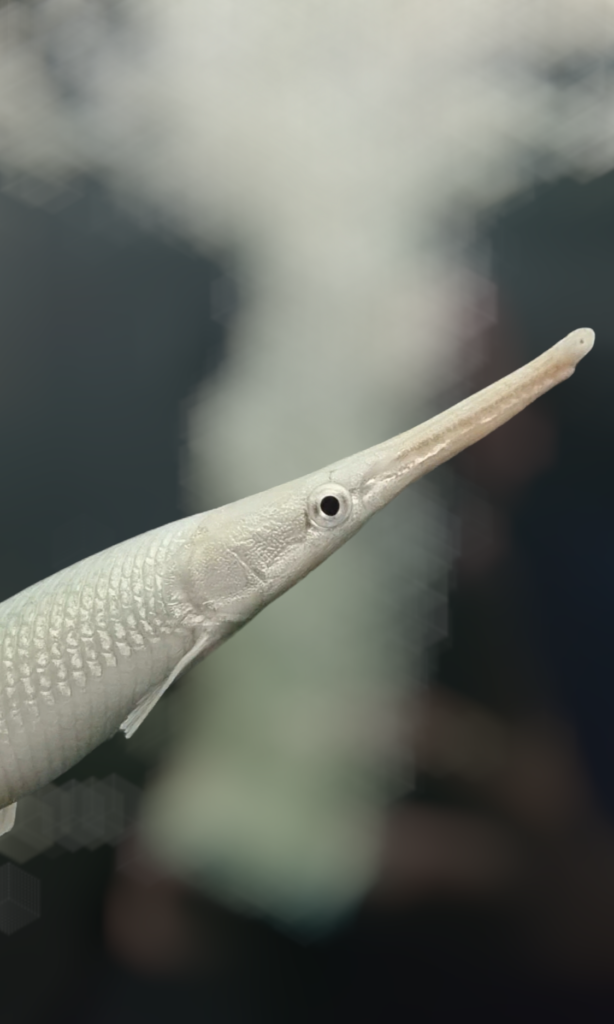
Gars (family Lepisosteidae) are among the oldest fish lineages on Earth, with a fossil record stretching back over 100 million years. The Florida Gar (Lepisosteus platyrhincus) is endemic to Florida and Georgia in the USA. Their elongated, needle-like jaws packed with sharp teeth and ganoid (diamond-shaped) armour-like scales make them instantly recognisable.
The Red Florida Gar is a colour morph displaying enhanced orange-red colouration — a highly sought-after variant. Like all gars, they are obligate air-breathers and must have unobstructed surface access at all times.
Tank Setup
- Size: 6 x 2 ft minimum for adults — long tanks are better than tall ones.
- Surface space: Gars patrol the upper quarter of the tank. Avoid heavy surface planting that blocks movement.
- Decor: Driftwood, large rocks and some background planting. Mimic a subtropical swamp environment.
- Lid: Absolutely essential — gars will leap and travel fast on land.
- Temperature: Gars are subtropical — they can tolerate lower temperatures than most tropicals. A chiller may be needed in summer to keep the tank below 26 C.
Water Parameters
Temperature: 20-26 C (cooler than most tropicals — this is the most important consideration). pH: 6.5-7.5. Hardness: 5-15 dGH. Ammonia/Nitrite: 0 ppm. Nitrate below 30 ppm. Overheating above 28-30 C causes distress and can be fatal over time.
Feeding
Gars are ambush predators that seize prey with a sideways snap of their elongated jaws. Feed: whole frozen fish (whitebait, lance fish, sprats), frozen prawns and shrimp, earthworms, and large floating pellets once trained. Training gars to accept dead food can take weeks — use tongs to animate dead prey and mimic movement. Feed adults 2-3 times per week.
Tankmates
Suitable tankmates for large gars include large armoured catfish (Plecos, Pimelodus), large barbs and Silver Dollars. Avoid cichlids that nip fins, and never house with fish small enough to eat.
Common Health Issues
- Respiratory distress: If gasping at surface constantly, check dissolved oxygen and ensure surface access is completely clear.
- Snout injuries: Gars frequently injure their jaws by striking glass at feeding time. Keep feeding to one area and reduce reflections.
Ready to add one to your collection?
Browse our current stock — every fish ships with our Live Arrival Guarantee.
Shop Tropical FishBook a TranshipDiscover more from
Subscribe to get the latest posts sent to your email.