
The Most Controversial Topics in Tropical Fishkeeping (And Where We Stand)
Tropical fishkeeping controversies spark fierce debates among UK hobbyists. You’ve probably heard arguments over wild-caught vs captive-bred fish or questioned the ethics of dyed and hybrid species. We’ve gathered the hottest topics—from monster fish minimum tank sizes to quarantine fish UK best practices—to help you make clear, informed choices. Stick around for expert insights and the right gear to keep your aquarium thriving the responsible way.
Wild-Caught vs Captive-Bred
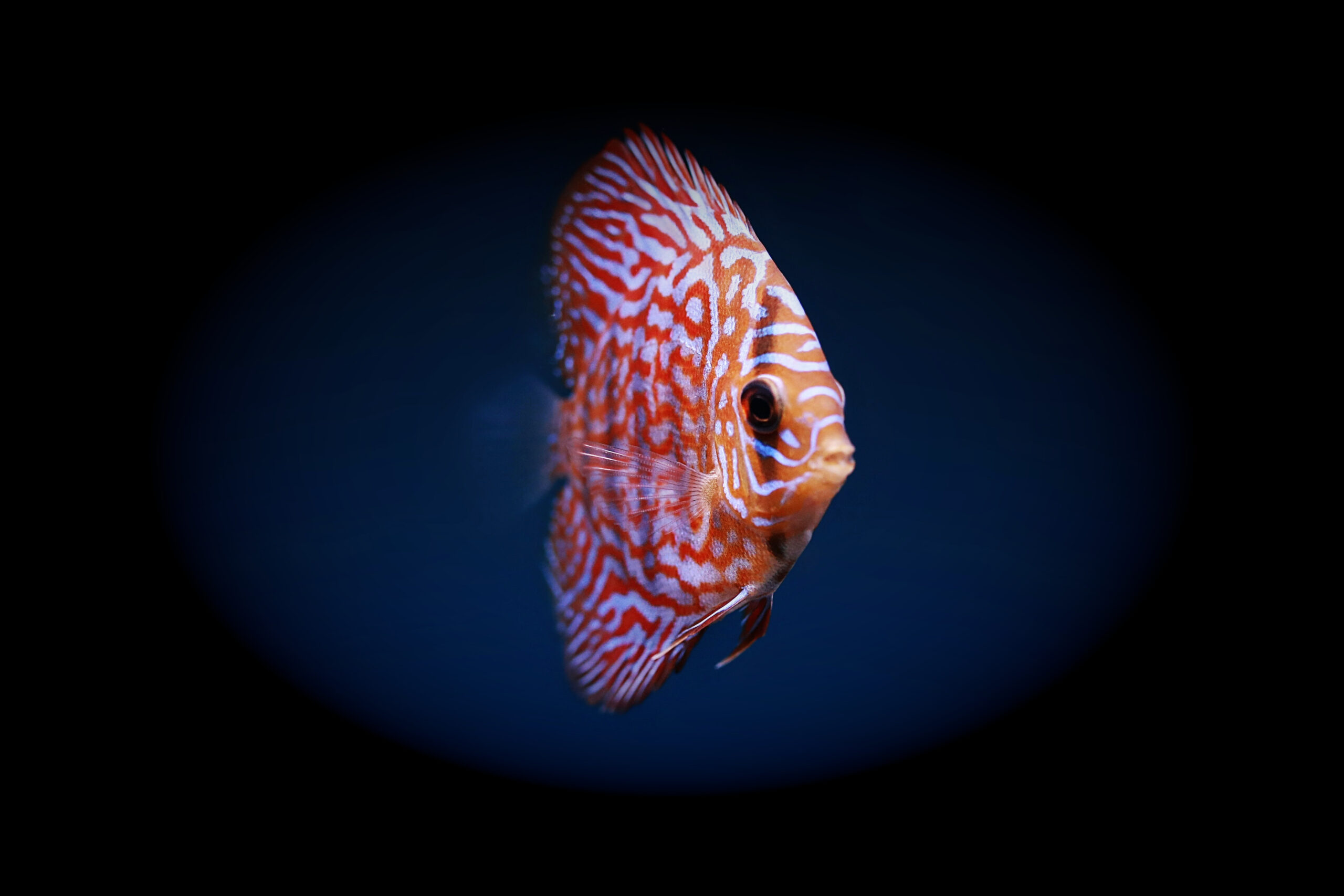
Let’s dive into one of the biggest debates in fishkeeping: wild-caught versus captive-bred fish. Each option has its fans and critics.
Ethical Fishkeeping UK
This question boils down to ethics: is it better to support natural ecosystems or breeding initiatives? Captive breeding can ease the pressure on wild populations. By choosing captive-bred fish, you help reduce the risk of overfishing and habitat destruction. Many UK enthusiasts prefer this method to ensure the sustainability of our hobby. It might surprise you, but some wild-caught fish have better survival rates due to their hardiness. Always make sure your choice aligns with ethical fishkeeping standards.
Impact on Natural Habitats
The impact on natural habitats is another crucial factor. Wild-caught fish can disrupt local populations and harm delicate ecosystems. By opting for captive-bred fish, you contribute to preserving these valuable environments. However, the catch is that some species only thrive when caught in the wild. This makes it essential to weigh the pros and cons of each option. Always consider the long-term effects on habitats before making your choice.
Hybrid and Dyed Fish
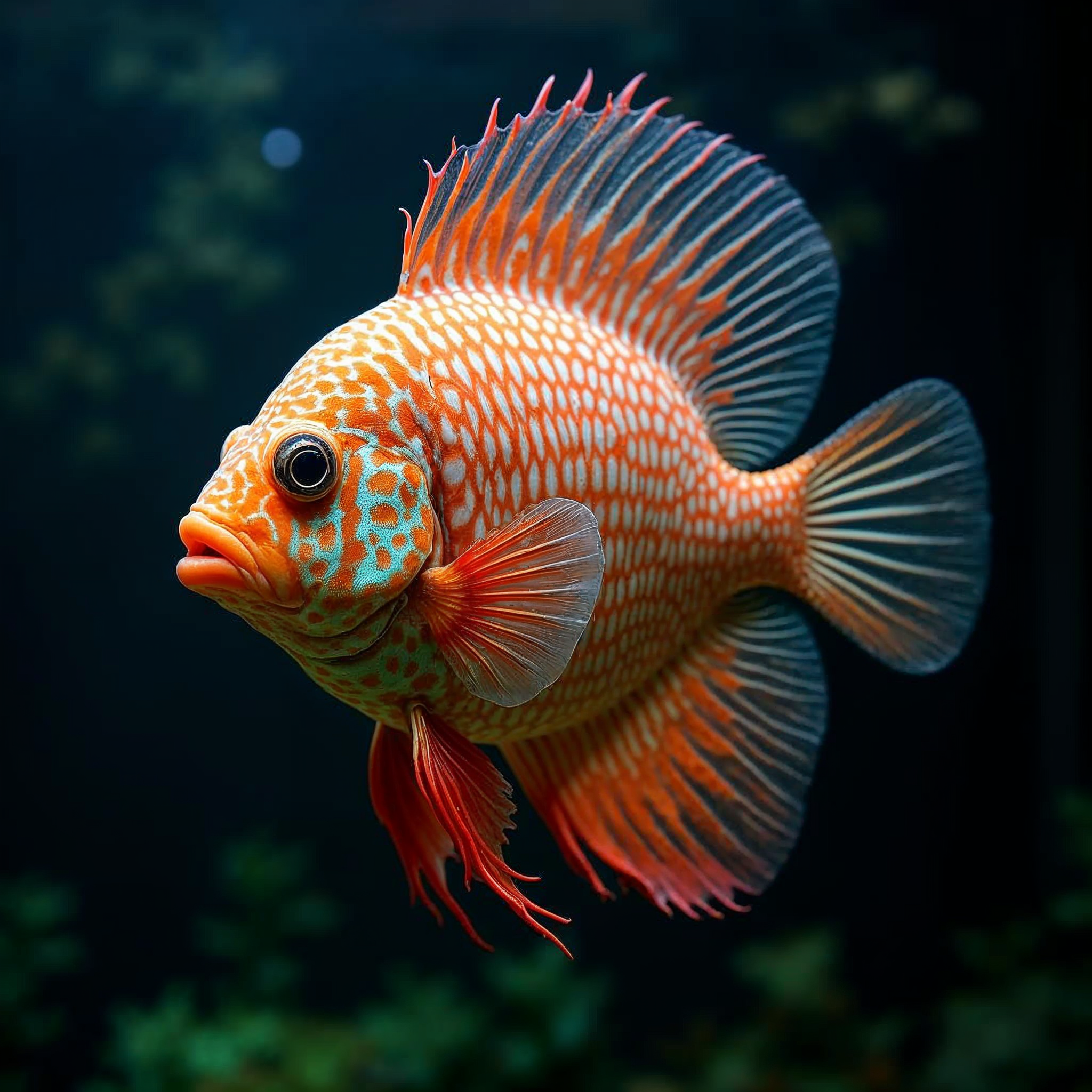
The world of hybrid and dyed fish is filled with vibrant colours and unique patterns, but not without controversy. Let’s explore these contentious topics further.
Hybrid Fish Debate
Hybrids are fish that result from breeding two different species. Some aquarists love them for their unique appearances and traits. They can offer an exciting twist on traditional species. However, creating hybrids raises questions about genetic health and species integrity. Many worry about the potential for genetic defects and the loss of pure species lines. When considering hybrids, think about the balance between novelty and conservation.
Dyed Fish Ethical Issues
Dyed fish are a whole other topic. They are artificially coloured for visual appeal, but this process can harm them. Many dyed fish experience stress and health issues due to the dyeing process. Choosing natural colours supports the well-being of aquatic life. It’s crucial to research and understand these ethical concerns before purchasing dyed fish. Always prioritise the health and dignity of your aquatic companions.
Monster Fish and Tank Sizes
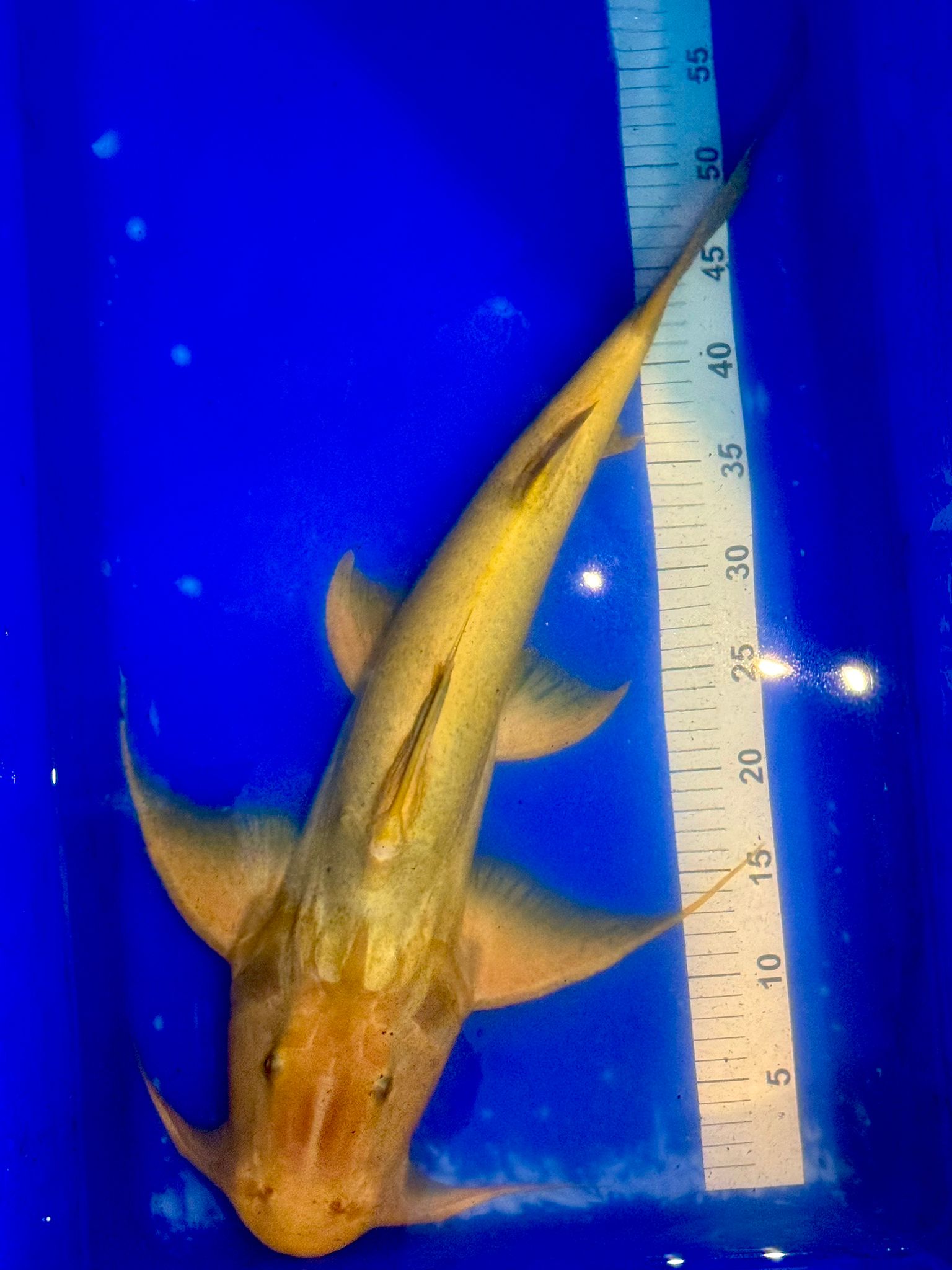
Monster fish captivate many enthusiasts, but their needs often get overlooked. Let’s discuss the importance of proper tank sizes.
Monster Fish Minimum Tank Size
These majestic creatures need space to thrive. Monster fish require large tanks to accommodate their size and activity levels. If you’re considering monster fish, plan for a tank of at least 500 litres. A spacious environment ensures their well-being and reduces stress. Think of your tank as a home that grows with your fish. Avoid common pitfalls by researching the specific needs of each species.
Goldfish Tank Size UK
Goldfish might seem simple, but they have specific needs too. The myth of goldfish thriving in small bowls is long debunked. Goldfish can grow quite large and need ample space. A tank of at least 75 litres is recommended for a single goldfish. This allows them to swim freely and maintain good health. Remember, a larger tank means a happier, healthier goldfish.
Let us know what your opinion is on these topics!