
The Gold Standard: Maintaining Optimal Water Parameters for Sensitive Show‑Grade Tropical Fish
Forget everything you think you know about keeping show-grade tropical fish. Getting water parameters right is not guesswork — it’s a precise science that makes the difference between a thriving Arowana and one struggling to survive. In this guide, you’ll get exact targets for pH, hardness, and stability, plus the tools you need to maintain rock-solid conditions your rare fish demand.
Mastering Water Parameters

Understanding the essentials of water conditions is crucial. This section will outline the importance of precision and the components that determine water quality for your prized fish.
Importance of Precision Testing
Testing your water regularly isn’t just a chore; it’s the lifeline for your fish. Accurate testing ensures you catch any imbalance before it becomes a problem. Let’s face it, most people think their tanks are fine until a disaster strikes. Testing kits empower you by providing quick insights. Each test reveals crucial data, helping you fine-tune your aquarium. Your fish will thank you for it with vibrant colours and lively behaviour.
Understanding GH, KH, and TDS
Diving into the science, GH (General Hardness) and KH (Carbonate Hardness) are key players in water chemistry. GH affects fish metabolism and growth, while KH stabilises pH levels. TDS (Total Dissolved Solids) measures everything dissolved in water, offering a broader view of water quality. You might be surprised how these levels impact fish health. Keep GH and KH balanced to avoid stress and disease. The right TDS means your fish live in water that mimics their natural habitat.
Equipment for Optimal Conditions
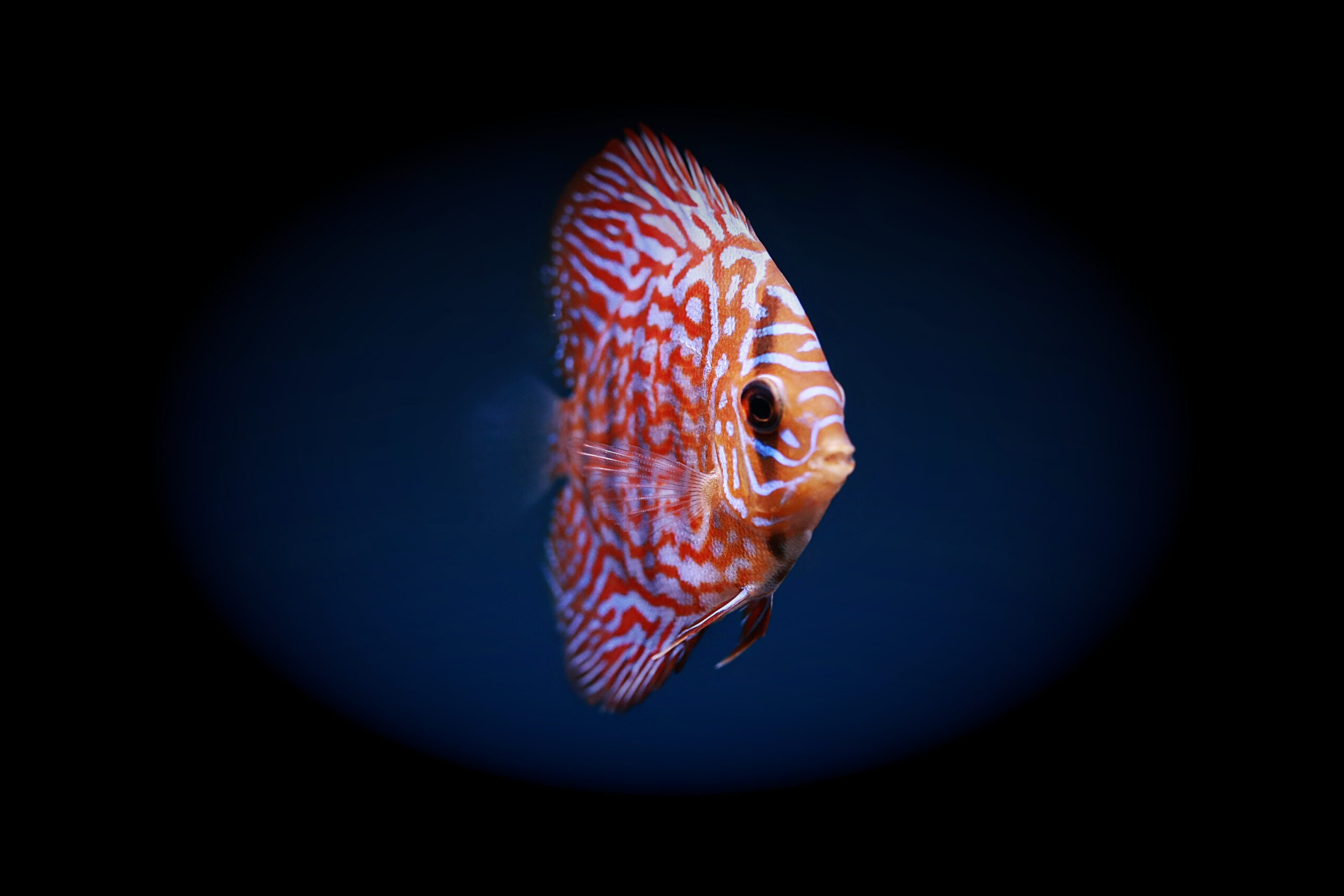
Choosing the right equipment can make or break your aquarium setup. From testing kits to filtration systems, every piece plays a vital role in maintaining a healthy environment.
Essential Testing Kits and Tools
To maintain perfect water parameters, you’ll need reliable tools. Start with a comprehensive test kit. A professional-grade kit checks pH, ammonia, nitrites, nitrates, and more. You’ll get results fast, letting you make adjustments immediately. Don’t forget a TDS meter; it’s vital for monitoring overall water quality. For those who want precision, a digital pH pen offers an easy-to-read display. These tools are your first line of defence against poor water quality.
Premium Filtration and Heating
When it comes to filtration, invest in a system that filters and heats simultaneously. The Oase Biomaster Thermo is a top pick, known for its efficiency and reliability. It keeps water clear and at a stable temperature, crucial for sensitive species. Consider an Inkbird heater controller for added precision. This device ensures your aquarium stays within your desired temperature range, preventing fluctuations that stress fish. A UV steriliser also helps by killing harmful pathogens, reducing the risk of disease.
Tailored Care for Show-Grade Fish
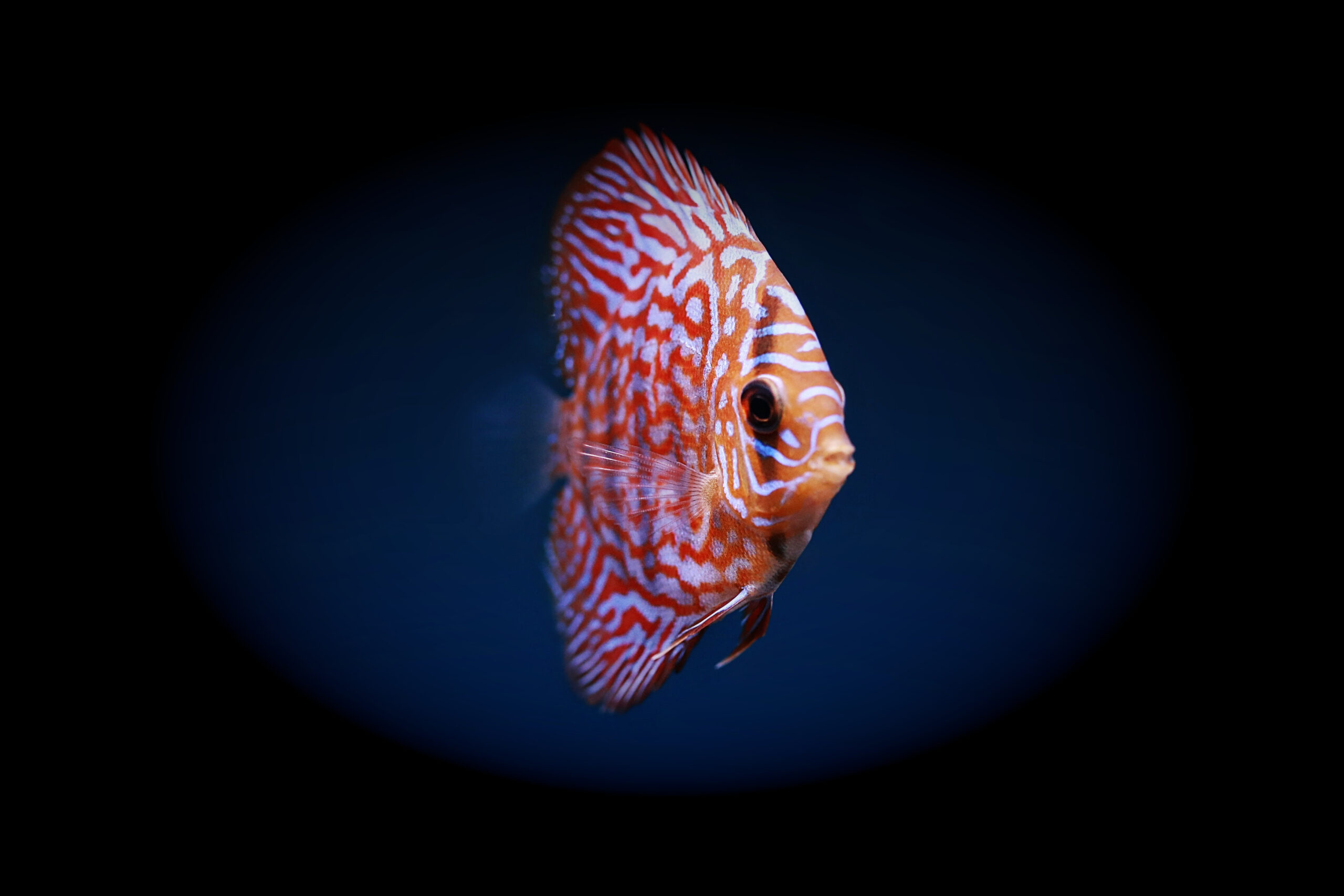
Each fish species has unique needs. This section will highlight specific conditions for popular show-grade fish, ensuring they remain healthy and stunning.
Specific Parameters for Arowana and Stingrays
Arowana and Stingrays are some of the most sought-after show-grade fish. They require specific conditions to thrive. Aim for a pH between 6.5 and 7.5. They prefer soft water, so keep GH low, around 4-8 dGH. Consistency is key here; sudden changes can be harmful. Use an RO unit to manage mineral levels. For temperature, 24-28°C is ideal. Ensure your filtration system can handle the bioload these large fish produce. Regular testing keeps you on track, ensuring a healthy environment.
Ideal Water Conditions for Discus and Cichlids
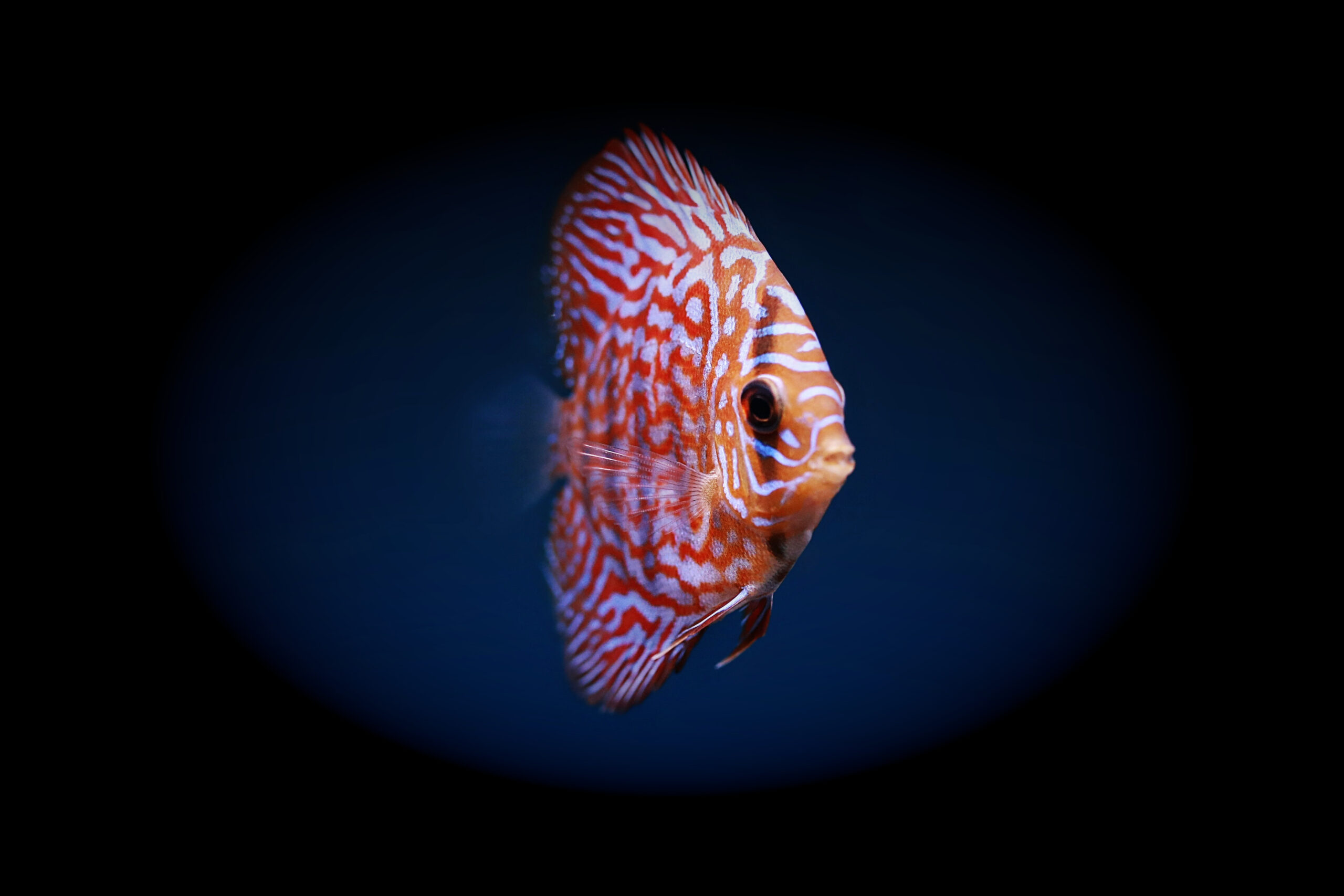
Discus and wild-caught Cichlids are known for their vibrant colours. Their requirements are just as specific. For Discus, keep the pH between 6.0 and 7.0. They thrive in soft water, with GH around 3-6 dGH. Cichlids, particularly wild-caught, prefer slightly higher pH, around 7.5. Stability is crucial; these fish are sensitive to fluctuations. Regular water changes and a stable temperature of 26-30°C ensure they remain stress-free and visually stunning. Use premium filtration to maintain water quality, reducing the risk of ammonia and nitrate spikes.
Each section of this guide has equipped you with the knowledge to maintain a thriving aquarium. By understanding and applying these principles, you’ll create a safe haven for your rare and exotic fish. Keep testing, stay informed, and enjoy the beauty of your aquatic paradise.