
Mastering Water Quality: Best Practices for Coldwater and Tropical Aquaria
Most aquarium problems trace back to poor water quality—no matter if you keep coldwater aquaria or tropical setups. When water conditions slip, your fish suffer, and so does your pride in your tank. This guide cuts through the clutter, showing you exactly how to maintain pristine water that keeps your aquatic pets thriving. Discover our premium range of water testing kits and filtration systems to ensure your aquarium thrives! Shop now at MTF Aquatics. Read more here.
Essentials of Water Quality
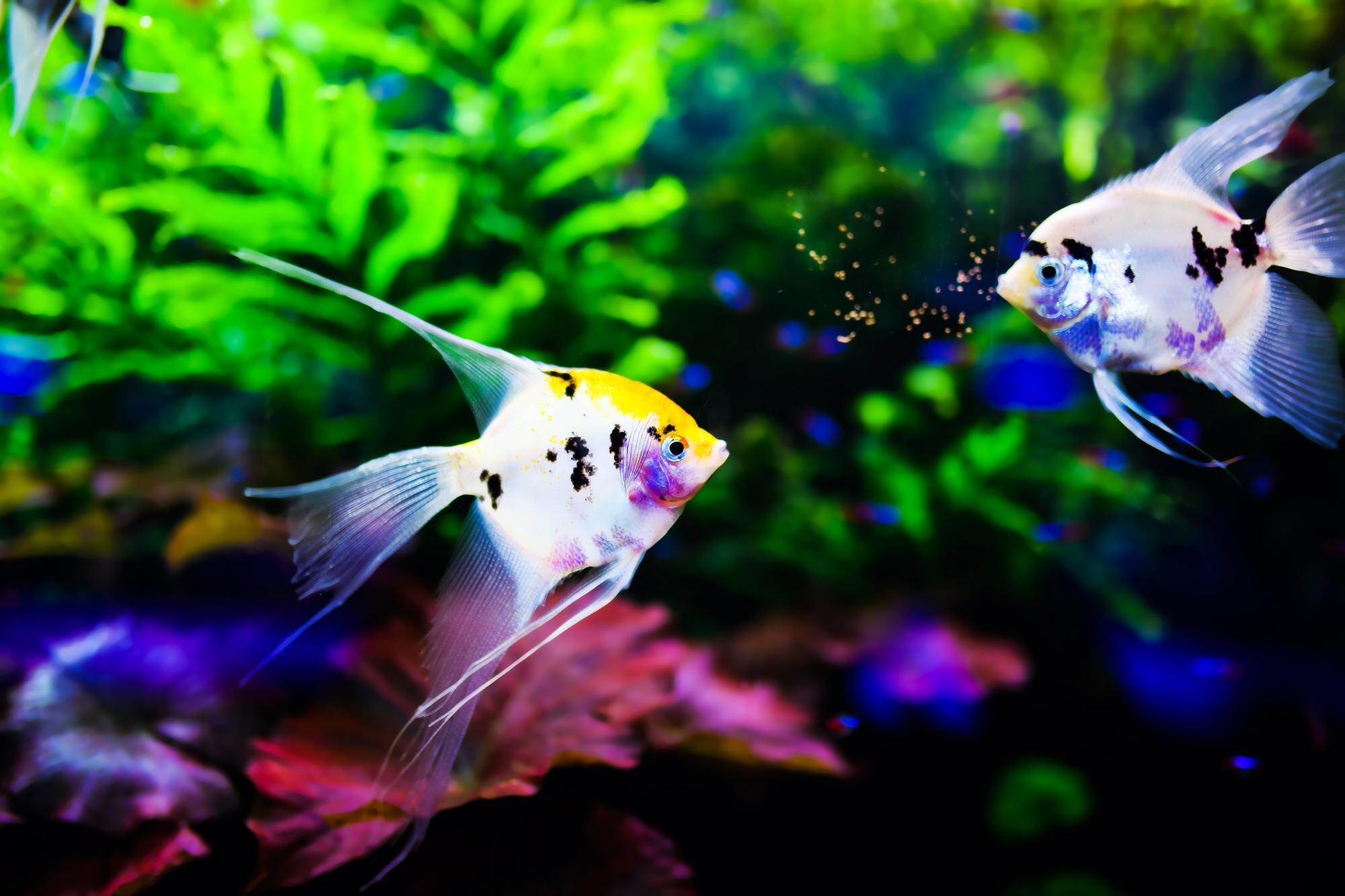
Getting water quality right makes all the difference to your aquarium’s success. Let’s explore the key elements you need to understand and maintain.
Understanding Water Chemistry
At the heart of a thriving aquarium is the balance of pH, KH, and GH. These terms may sound complex, but they’re essential. pH determines acidity, KH measures buffer capacity, and GH indicates mineral content. For more insights, check out Aquarium Co-op’s guide.
-
pH: Keep it stable. Sudden shifts can stress fish.
-
KH: Acts as a cushion for pH, preventing drastic changes.
-
GH: Essential for fish health, affecting their osmoregulation.
Understanding these parameters helps tailor the environment to your fish’s natural habitat, promoting their health and vibrancy.
Common Water Quality Issues
Poor water quality can result from overfeeding, inadequate filtration, or inconsistent maintenance. Common issues include ammonia spikes, nitrite toxicity, and nitrate buildup. These can lead to fish stress, illness, or even death.
-
Ammonia: Toxic to fish; arises from waste. Regular testing is crucial.
-
Nitrite: A byproduct of ammonia breakdown. Equally harmful.
-
Nitrate: Less toxic but indicates overall tank health. Keep levels low with water changes.
Addressing these issues promptly ensures your aquarium remains a safe, welcoming home for your fish.
Tools for Monitoring Water Quality
To keep water quality in check, invest in reliable tools. Essential items include water testing kits, thermometers, and filtration systems. These tools help maintain stable conditions and prevent common problems.
-
Water Testing Kits: Essential for regular monitoring of pH, ammonia, nitrite, and nitrate levels.
-
Thermometers: Keep a consistent temperature suited to your fish species.
-
Filtration Systems: Remove waste and maintain clean water.
Such tools are invaluable for any aquarist, ensuring your aquatic environment stays healthy. For more tips, visit API Fishcare’s guide.
Coldwater Aquaria Care
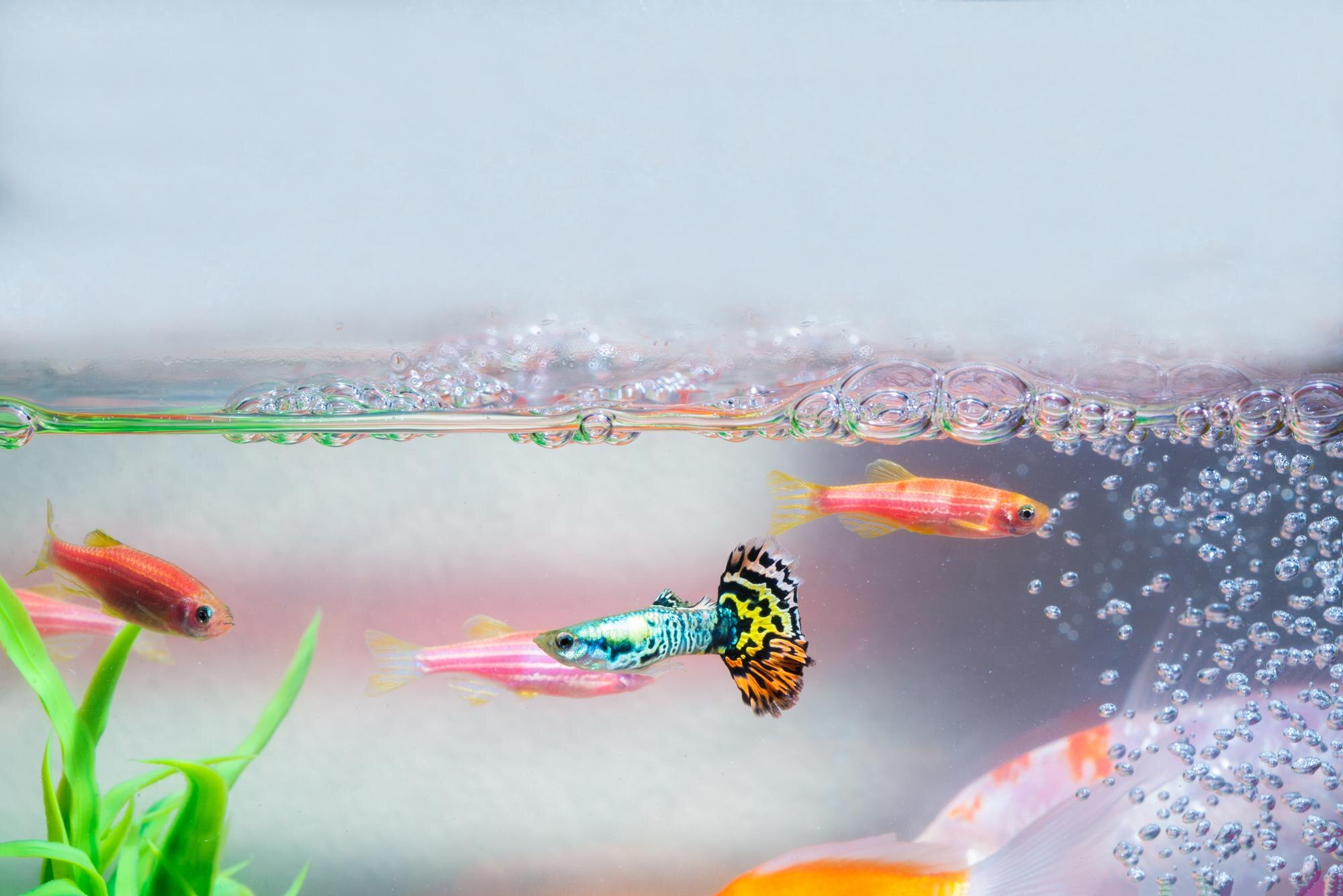
Coldwater aquariums cater to species like goldfish and koi. These fish thrive in cooler waters, making their care distinct from tropical setups.
Ideal Conditions for Coldwater Fish
Coldwater fish prefer temperatures between 18-22°C. They require well-oxygenated water and a spacious environment. Plants and decorations can enhance their habitat, offering hiding spots and reducing stress.
-
Temperature: Keep it steady to avoid stressing your fish.
-
Oxygen Levels: Use air stones or surface agitation to ensure adequate oxygen.
-
Space: These fish grow large, needing ample room to swim.
By mimicking their natural surroundings, you promote their well-being and longevity.
Regular Maintenance Tips
Regular maintenance is key to a healthy coldwater aquarium. This includes weekly water changes, gravel vacuuming, and filter cleaning. Consistency prevents waste buildup and maintains water clarity.
-
Weekly Water Changes: Replace 10-15% of water to dilute pollutants.
-
Gravel Vacuuming: Removes uneaten food and waste from the substrate.
-
Filter Maintenance: Clean or replace media as needed to ensure optimal performance.
A consistent routine keeps your aquarium sparkling clean and your fish content. Learn more about best practices at Aqueon.
Tropical Aquaria Best Practices
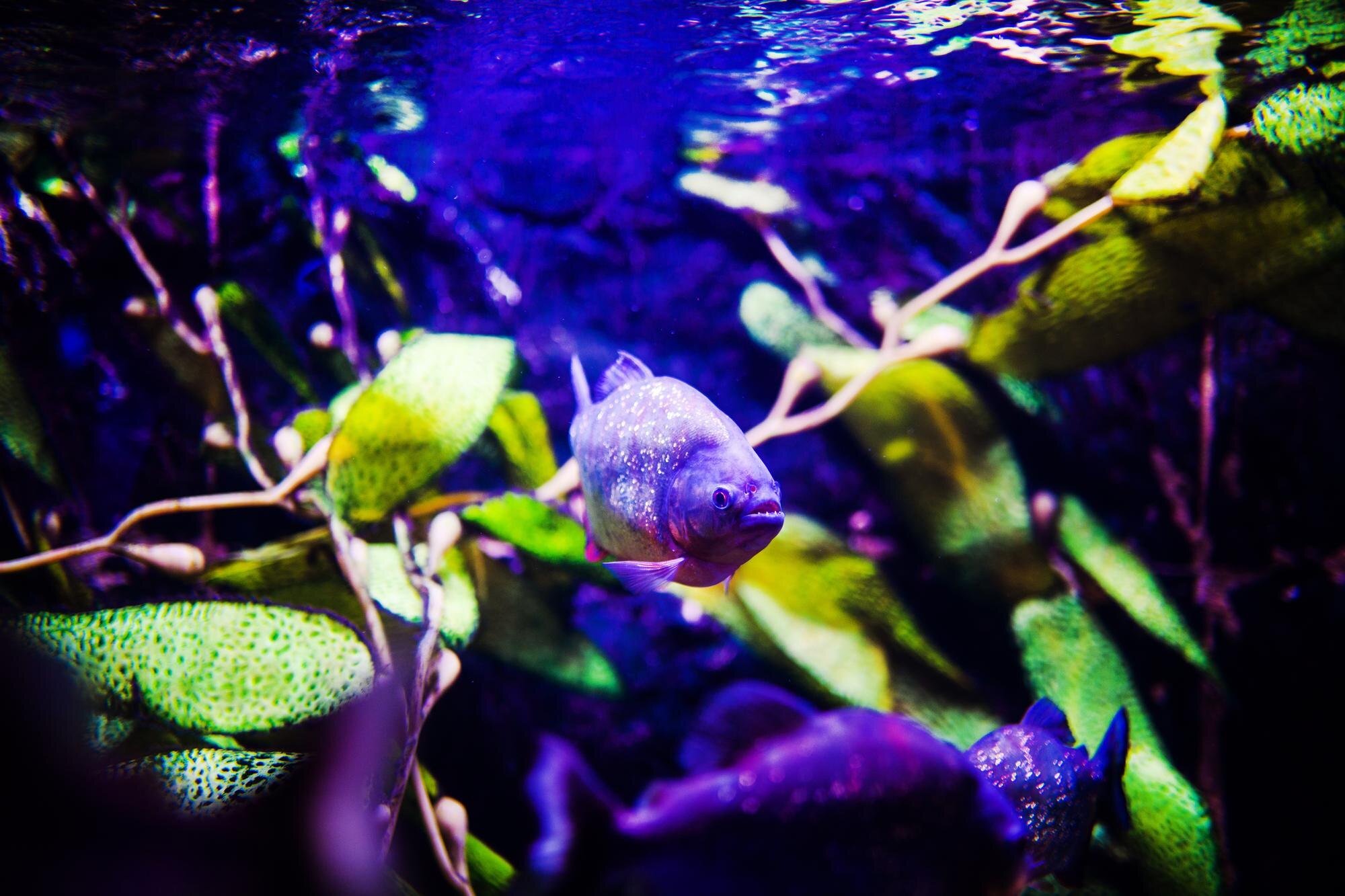
Tropical aquariums house species like tetras and angelfish, requiring warmer waters and different care than their coldwater counterparts.
Creating the Perfect Tropical Environment
For tropical fish, maintain water temperatures between 24-26°C. These fish thrive with live plants, which offer natural filtration and enrichment. Lighting should mimic day-night cycles to reduce stress.
-
Temperature: Consistent warmth is vital for tropical species.
-
Live Plants: Enhance water quality and provide shelter.
-
Lighting: Use timers to simulate natural light patterns.
Crafting such an environment promotes vibrant colours and active behaviour in your fish.
Key Considerations for Tropical Fish Care
Care for tropical fish demands attention to detail. Regularly test water parameters, perform biweekly water changes, and observe fish behaviour for signs of stress or illness.
-
Water Testing: Regular checks on pH, ammonia, and nitrates are crucial.
-
Biweekly Water Changes: Swap 20-25% of water to maintain quality.
-
Observation: Watch for unusual behaviour as an early sign of issues.
By staying vigilant, you ensure a thriving tropical aquarium. For more detailed guidance, explore OATA’s care sheets.
🌊🐠🌿
In summary, mastering water quality requires understanding your aquarium’s specific needs and maintaining a consistent care routine. By doing so, you create a vibrant, thriving aquatic environment that showcases the beauty of your fish.