
Troubleshooting Water Conditions: Keeping Your Fish Safe and Happy
Unexpected shifts in aquarium water quality can put your prized fish at real risk before you even notice. When water conditions go off, it’s not just a nuisance—it threatens fish health fast. In this guide, you’ll learn how to troubleshoot water conditions quickly, using reliable water testing kits and smart aquarium maintenance tips to keep your aquatic world safe and thriving. Visit MTF Aquatics for expert advice and premium tools to act before it’s too late!
Identifying Water Quality Issues
Keeping your fish healthy means knowing what to watch for in your aquarium. Spotting problems early ensures your fish stay safe. Let’s dive into what you need to look out for.
Spotting the First Signs
The first clue something’s off might be subtle. Perhaps your fish seem less energetic or their colours aren’t as bright. Sometimes, they breathe rapidly or linger near the surface. These signals tell you it’s time to check your setup. Ignoring these early signs can lead to bigger issues.
Water clarity can also give you a hint. Cloudy water might indicate a chemical imbalance. Look for floating debris or unusual smells. If you notice any of these, it’s crucial to act promptly. Being observant saves your fish from potential stress or illness.
Common Problems in Aquariums
Common issues include pH imbalance, high ammonia, and fluctuating temperatures. Each can stress your fish, leading to health problems. The right balance ensures your aquatic pets thrive. High ammonia, for example, can cause burns on fish gills, making it hard for them to breathe.
Temperature swings are another concern. Fish thrive in stable environments, and sudden changes can shock them. It’s essential to maintain consistent conditions. When problems arise, knowing which is affecting your tank helps in choosing the right solution.
Using Water Testing Kits
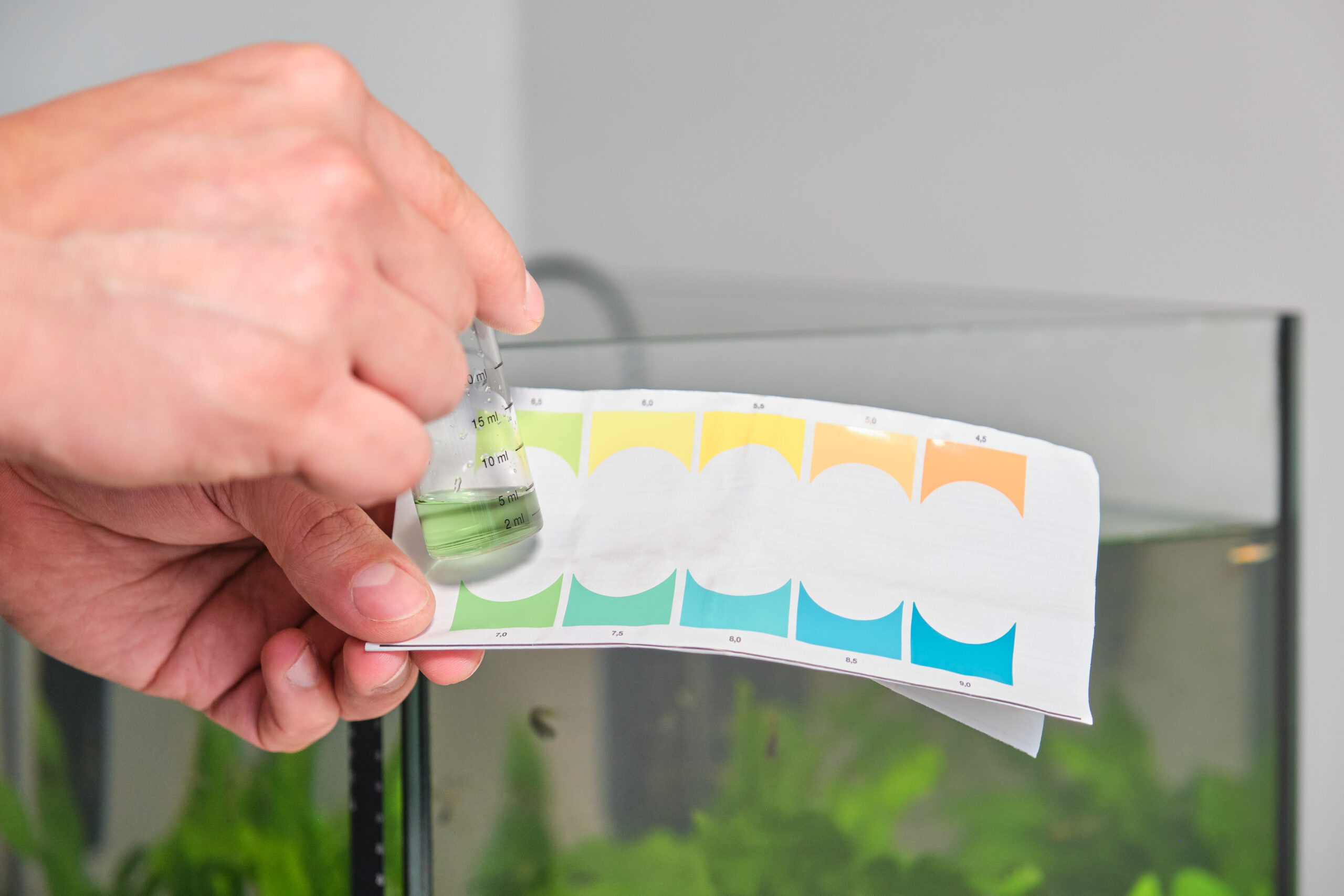
Testing kits are vital tools. They help identify issues before they become visible problems. Kits often test for pH, ammonia, nitrate, and nitrite levels. Regular testing keeps you informed about your tank’s status.
Using a kit is simple. Follow the included steps to get accurate readings. Many hobbyists rely on these kits to catch issues early. This habit ensures your fish live in an ideal environment. Testing regularly prevents emergencies and keeps your fish happy.
Resolving Water Condition Challenges
Once you’ve identified a problem, it’s time to resolve the issue effectively. This section provides practical solutions to common dilemmas. Let’s take a closer look at each one.
Adjusting pH Levels
pH levels need to be just right for your fish. If your pH is off, your fish could suffer. To fix this, first test your water. If the pH is too high or too low, you might need to add a pH adjuster. These are available at most pet stores.
Always add these solutions gradually. Sudden changes can harm your fish. Use the product as directed and retest the water after a few hours. Keeping a close eye ensures your fish remain comfortable.
Balancing Temperature and Salinity
Temperature and salinity are crucial. Fish stress when these fluctuate too much. Invest in a reliable thermometer and salinity meter. Adjust your heater to maintain the right temperature consistently.
If you have a saltwater tank, check salinity often. Small changes can be dangerous for sensitive species. Keeping these factors in check helps prevent fish stress and keeps your aquarium stable.
Remedies for Ammonia and Nitrites
High ammonia and nitrite levels are dangerous. If you detect them, do a partial water change. Remove 10-15% of the water and replace it with clean, conditioned water. This dilutes toxins, making the environment safer.
Consider using water conditioners or treatments to neutralise toxins. Follow the dosage instructions carefully. Regular maintenance, such as cleaning filters, also reduces these harmful substances in your tank.
Best Practices for Fish Health
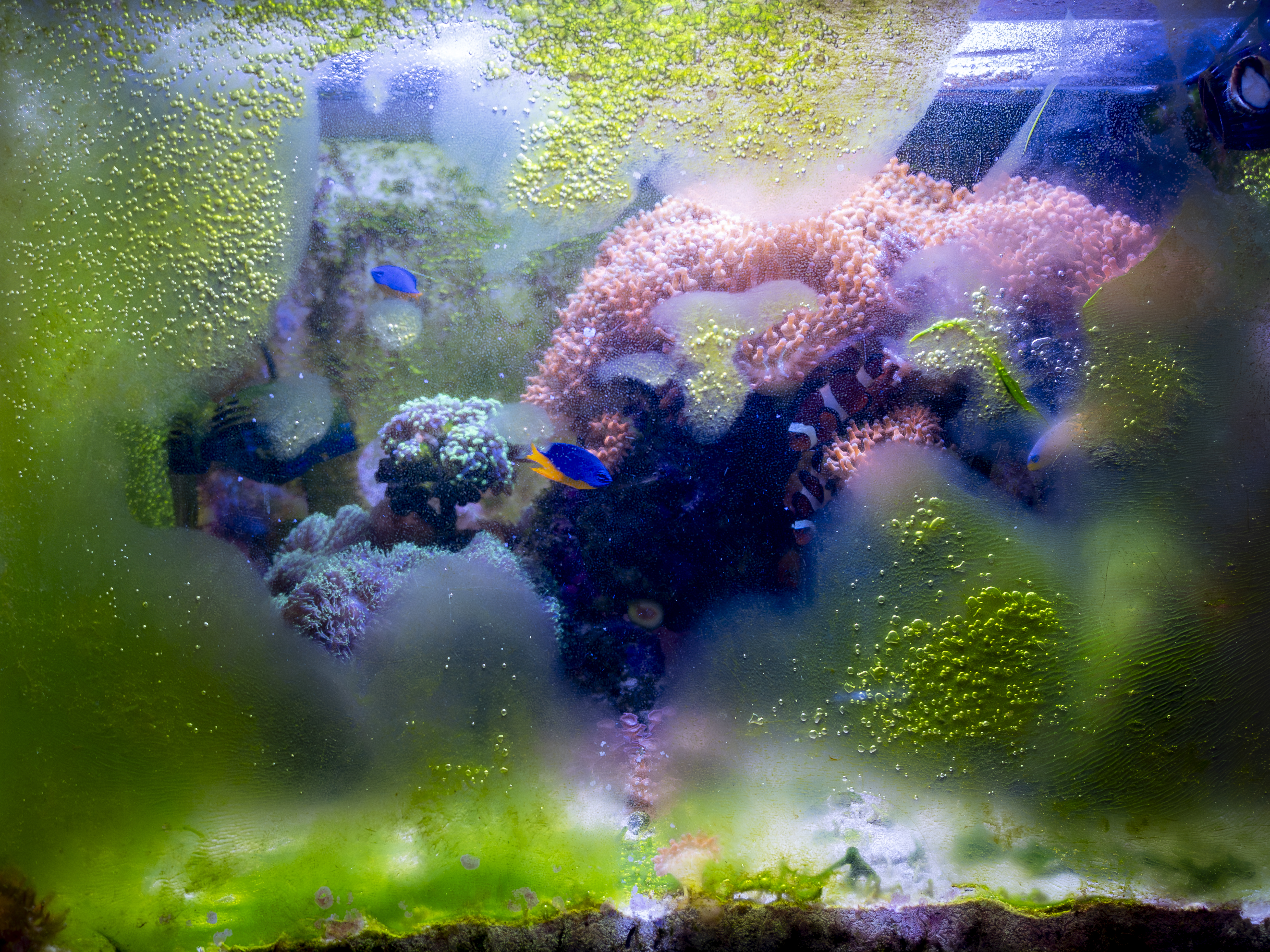
Staying proactive with maintenance is the best defence against issues. Regular upkeep and the right tools make a significant difference. Here’s how to keep your fish thriving.
Regular Aquarium Maintenance
Consistency is key. Regular cleaning and water changes prevent many problems. Aim to change 10-20% of the water weekly. This keeps toxins low and water fresh. Clean filters and check equipment to ensure everything works well.
Routine checks let you catch issues before they escalate. A little effort each week saves you from major headaches down the line. Your fish will thank you with vibrant colours and lively behaviour.
Choosing the Right Water Testing Kits
Selecting the right testing kit is crucial. Look for kits that test pH, ammonia, nitrate, and nitrite. Brands offering comprehensive kits are your best bet. Check reviews and ask other enthusiasts for recommendations.
A reliable kit means accurate readings every time. Consistent testing helps you keep control of your tank’s environment. Armed with the right tools, you can ensure your fish enjoy a safe and stable home.
Expert Tips for Happy Fish
Experts recommend a few simple habits. First, never overfeed your fish. Extra food decays, affecting water quality. Feed them what they can eat in a few minutes. Second, ensure you have the right mix of fish. Some species can’t live together peacefully.
Finally, stay informed. Join online groups and forums for tips and advice. Being part of a community helps you learn and adapt to new challenges. Your fish’s happiness depends on your vigilance and care.
🌊🐠✨
For more detailed insights, check out this article that expands on troubleshooting fish health problems.