
Spotting the Gems: How to Identify and Select Healthy Rare Fish
Most rare fish hide subtle signs that reveal their health—and missing these can cost you dearly. Buying exotic fish without knowing what to look for risks introducing illness or stress into your tank. At MTF Aquatics, we help you spot the healthiest specimens so your aquarium thrives from day one. Read on to learn the practical aquarium care tips that serious hobbyists swear by! For more insights, check out this informative guide.
Identifying Healthy Rare Fish
Navigating the world of rare fish can feel like treasure hunting, but it’s important to ensure you’re picking the best gems. This means knowing what to look for in terms of both physical and behavioural traits.
Recognising Physical Traits
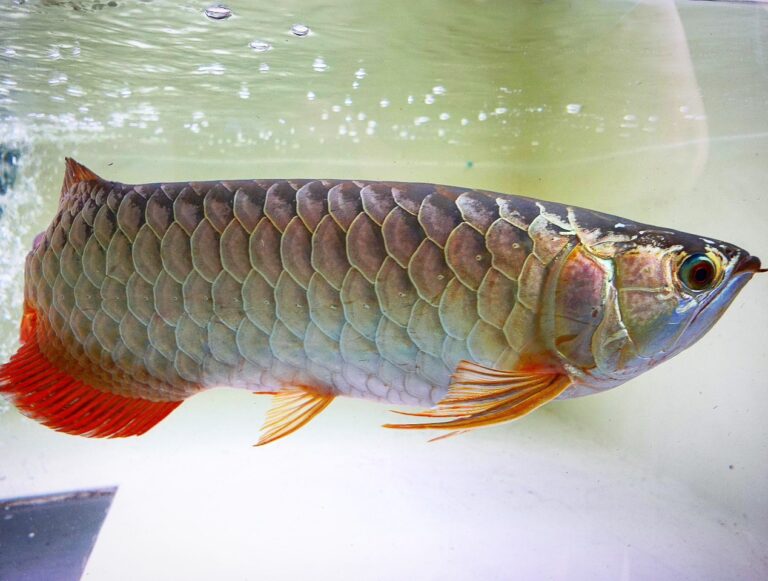
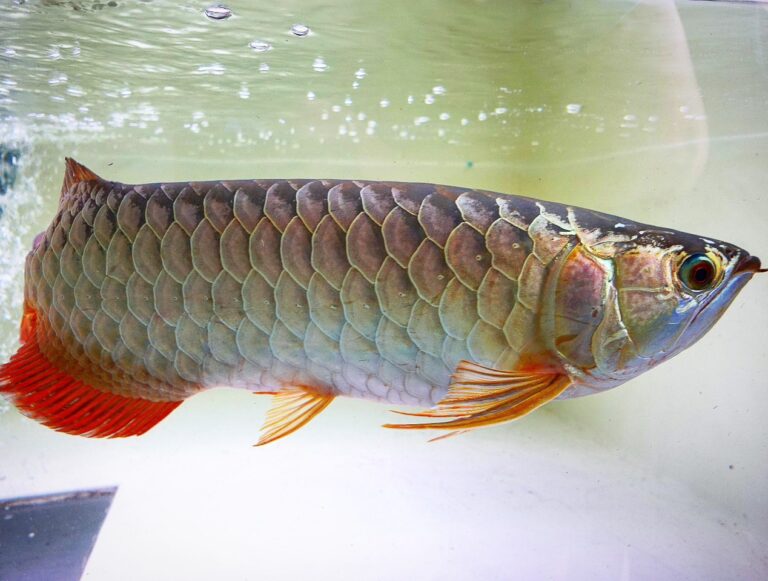
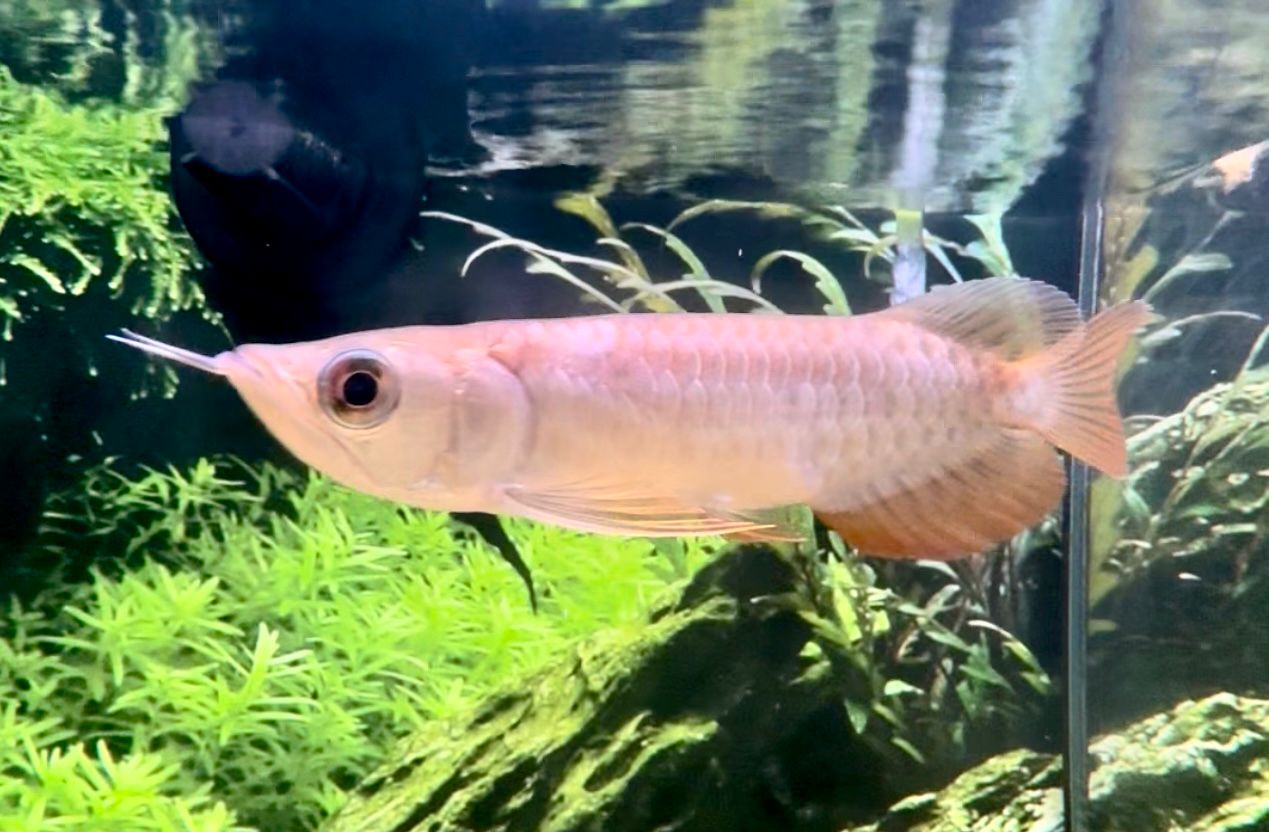
When examining fish, their appearance tells more than you might expect. Clear eyes are crucial—look for eyes that are bright and free of cloudiness. Another key indicator is the condition of their fins. Healthy fish have fins that are intact and not frayed or torn. You’ll also want to look at their scales. Scales should be smooth and free of blemishes.
Colouration is another important trait. Vibrant colours often indicate good health, but keep in mind that some fish naturally have more subdued shades. If you’re unsure, comparing with photos of healthy specimens can help. Remember, a fish that looks a bit dull might just need time to adjust to its new environment. But any visible signs of illness should trigger caution. For more tips, consider joining discussions on forums like Reddit’s Aquariums.
Observing Behavioural Patterns
Beyond their looks, how fish act is equally telling. Healthy fish are active. They move smoothly through the water without laborious effort. Watch how they interact with others. Fish that constantly hide, float near the surface, or stay at the bottom may be unwell.
Feeding behaviour is another tip-off. Eager eaters are generally healthy. If a fish isn’t interested in food, it might be stressed or sick. Keep an eye on how they breathe, too—steady gill movement is a good sign. But rapid or irregular breathing could suggest problems. Engage with other hobbyists who share their experiences, such as in this lively Facebook group.
Selecting Exotic Fish with Confidence
Once you’ve spotted the signs of a healthy fish, the next step involves ensuring it will thrive in your aquarium. Confidence in selection comes from understanding their specific needs and ensuring compatibility.
Assessing Environmental Needs
Every fish has its own ideal environment. Some require specific water temperatures or pH levels. Knowing these requirements helps you prepare your tank to match their natural habitat. This ensures they remain stress-free and healthy. For instance, tropical fish generally thrive in warmer waters, while others might need cooler conditions.
Lighting is another consideration. Some fish need abundant light, while others prefer dimmer settings. Researching these needs lets you set up a comfortable home for your new fish. For detailed discussions, explore threads on FishLore’s forum.
Checking for Compatibility
Adding new fish means understanding how they’ll mix with current residents. Some species are peaceful, while others might bully or eat tank mates. Consider the size and temperament of both new and existing fish. Also, think about their dietary needs—some fish need special food that might not suit others in your tank.
Creating a harmonious environment means avoiding overcrowding. Too many fish can lead to stress and sickness. A balanced tank is crucial for long-term success. If you’re new to this, Reef2Reef’s fish-shopping tips can be invaluable.
Expert Aquarium Care Tips
Once you’ve carefully selected your rare and exotic fish, it’s time to focus on their upkeep. Expert care ensures your aquarium is a thriving ecosystem.
Maintaining Optimal Water Conditions
Water quality is the foundation of fish health. Regular testing ensures levels of ammonia, nitrites, and nitrates stay within safe limits. Consistent water changes, usually about 10-20% weekly, help maintain cleanliness and balance.
Temperature is another critical factor. Use a reliable heater to keep water within the ideal range for your specific fish. A sudden drop or rise can be stressful, leading to illness. Maintaining stability is key to a healthy aquarium. Frequent testing and monitoring will give you peace of mind.
Choosing the Right Equipment and Food 🐠
The equipment you use plays a huge role in fish health. Filters should be efficient enough to handle your tank’s volume, while also being suitable for the type of fish you have. High-quality filters keep water clean and oxygenated. Lighting should suit the specific needs of your fish and any plants in the tank.
Diet is equally important. Provide a varied diet that mimics what they’d eat in the wild. This keeps your fish healthy and vibrant. Quality and variety in fish food can prevent deficiencies and promote growth. For the best products, trust suppliers like MTF Aquatics, where each item is selected for its excellence.
By focusing on these expert tips, you’ll not only have a beautiful aquarium but also one that’s the envy of fellow hobbyists. Always remember, the journey to creating a thriving aquatic environment is both exciting and rewarding!