
Show‑Grade Tropical Fish: How to Identify Them and Keep Them Thriving (UK Expert Guide)
Show-grade tropical fish aren’t just pretty—they’re a serious investment in your aquarium’s future. Knowing how to identify show fish ensures you pick genuine specimens worth your time and money. This guide covers everything from Arowana care UK standards to the best quarantine tank setup UK hobbyists trust, helping your prized fish thrive with expert advice and top-tier gear from MTF Aquatics.
Identifying Show-Grade Tropical Fish
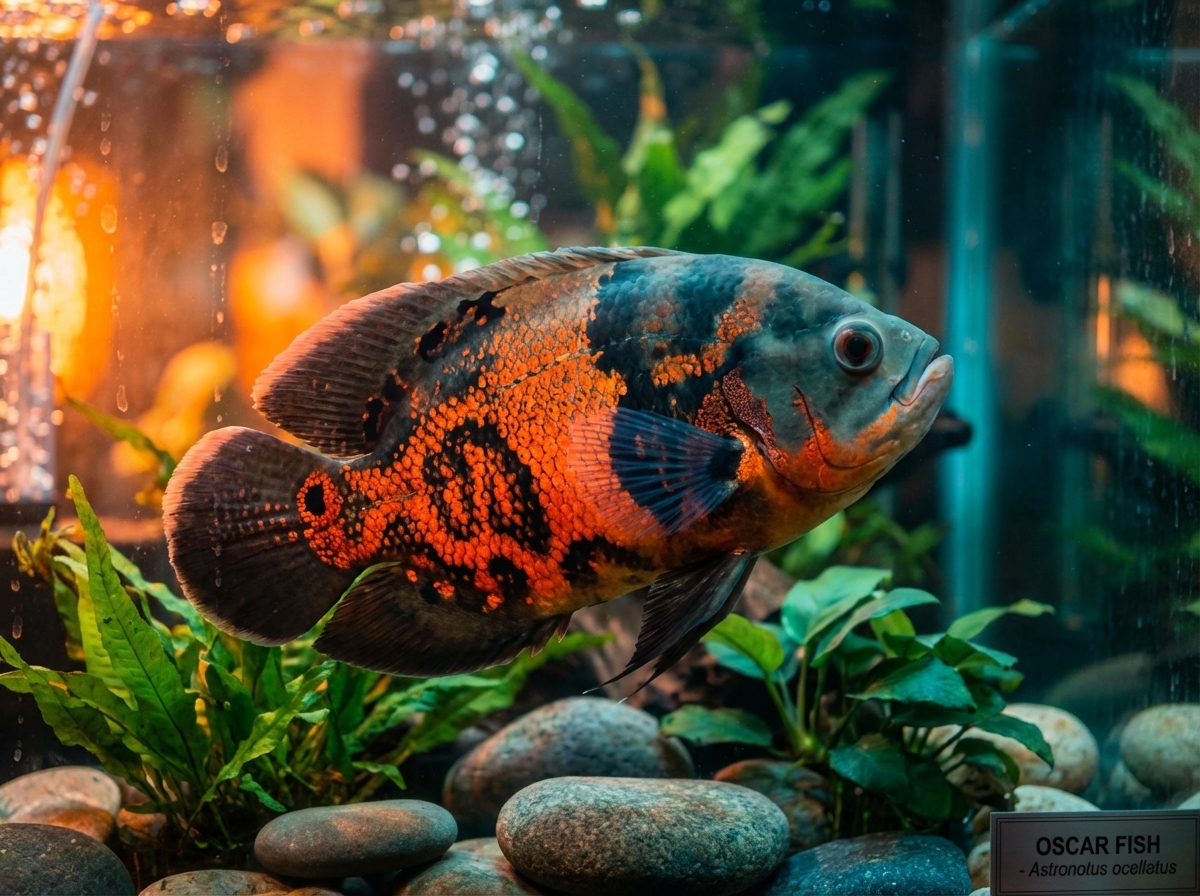
Identifying the true gems of the aquarium world starts with knowing what to look for. Show-grade tropical fish exhibit specific traits that set them apart. Here’s how you can spot them.
Key Traits of Elite Arowana
When it comes to elite Arowana, you’re looking for perfection in form and colour. A show-grade Arowana will have a smooth, flawless body with no deformities. The fins should be symmetrical and the scales should display a vibrant, consistent hue. This level of perfection is not just about beauty—it’s about selecting a healthy fish that will thrive.
Elite Arowanas are often larger, too. They can grow up to 90 cm in a suitable environment. It’s vital to provide a tank that matches their size needs. They also have specific dietary requirements, often preferring live food. Many aquarists use live bloodworms or shrimp to meet these needs. Remember, the right care not only maintains their beauty but also extends their lifespan.
Recognising Premium Discus
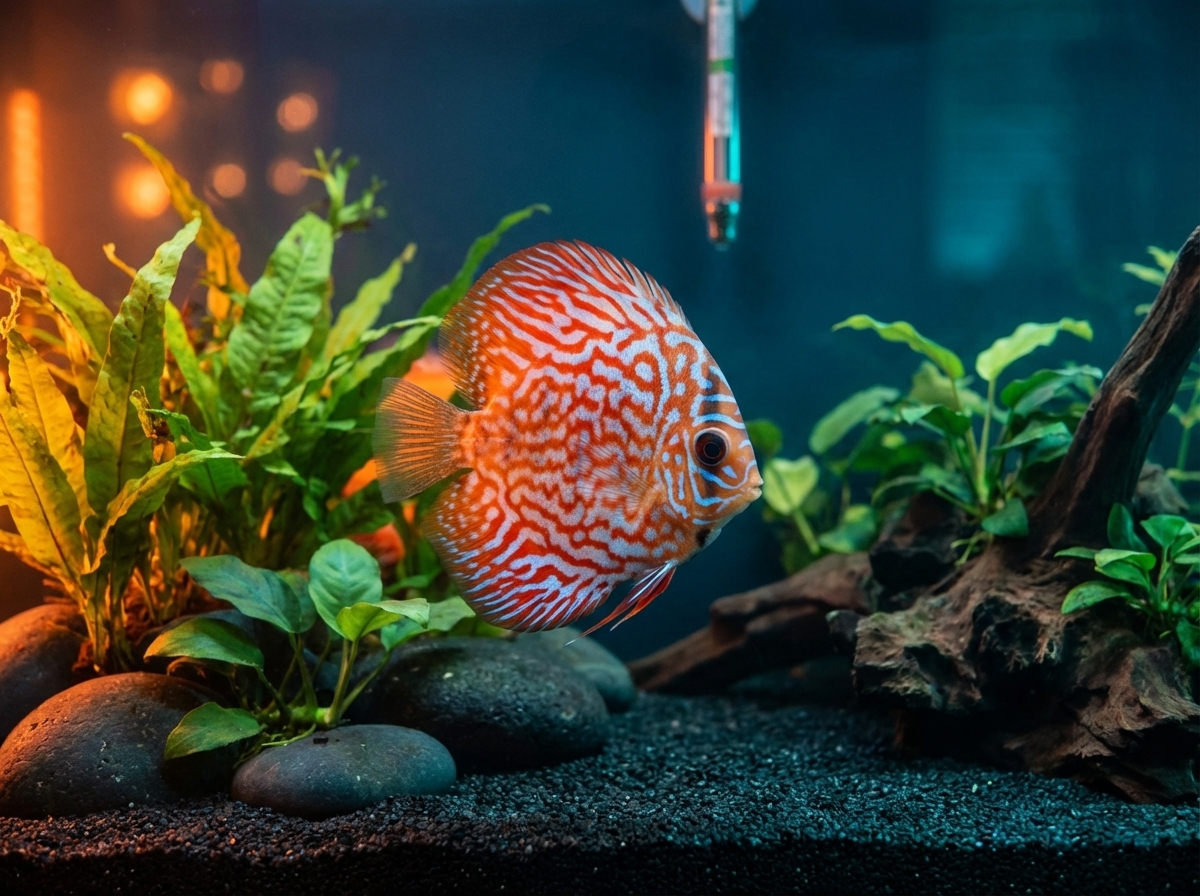
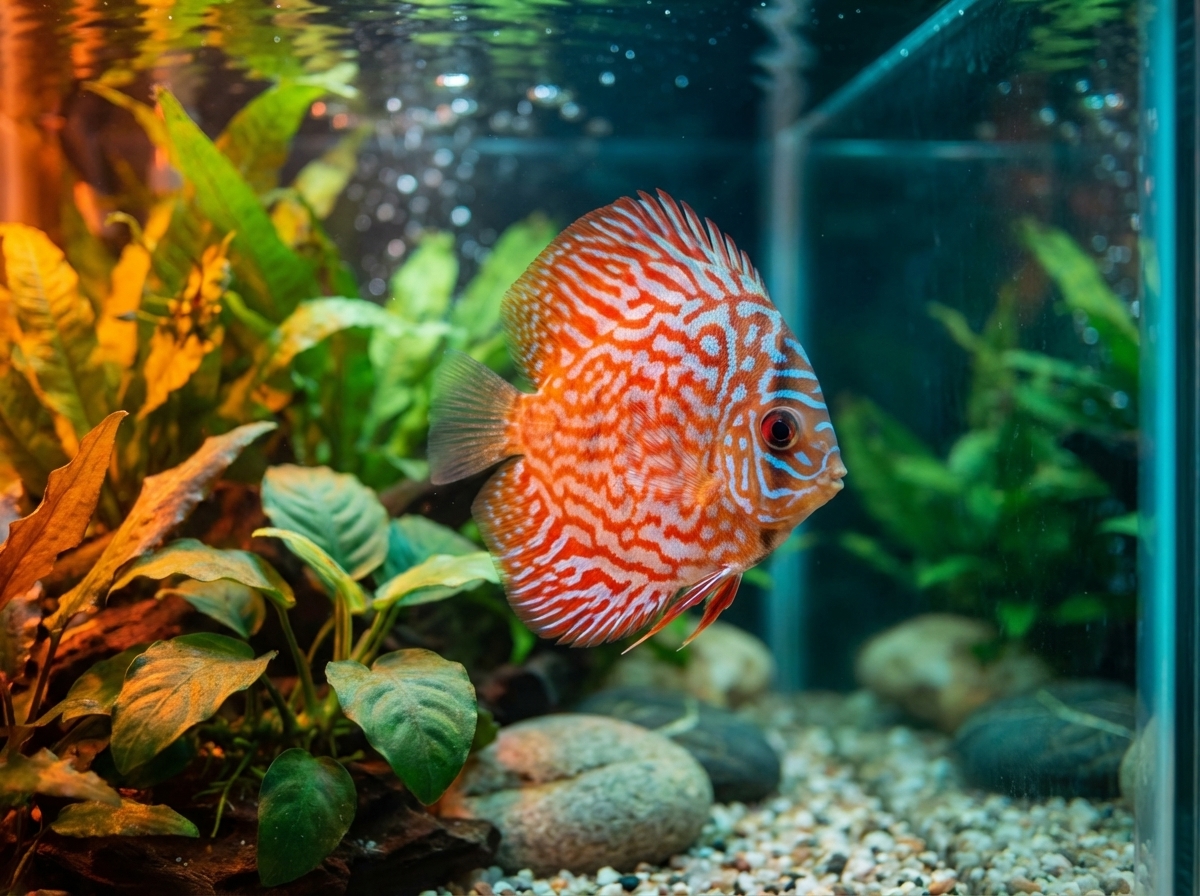
Premium Discus are celebrated for their vibrant coloration and round, symmetrical bodies. A high-quality Discus fish will display a consistent pattern and colour across its body. This is important for show-quality standards. The eyes should be bright and clear, indicating good health.
Discus require pristine water conditions. They thrive in soft, warm water with a temperature around 28°C. Regular water changes are essential, as these fish are sensitive to water quality fluctuations. Feeding them a varied diet of pellets and frozen food will keep them healthy and show-ready.
Spotting Quality Flowerhorn
Flowerhorn cichlids are known for their unique appearance and vibrant colours. A quality Flowerhorn should have a prominent nuchal hump, often referred to as the “kok,” which is a key trait. The body should display vibrant colours, and you might notice intriguing patterns that make each fish unique.
These fish require a diet high in protein to maintain their vibrant colours and size. Pellets formulated for cichlids are a popular choice. You might also consider supplementing their diet with live food. A strong filtration system is crucial, as Flowerhorns can be messy eaters.
Caring for High-Demand Show Species
Caring for these high-demand fish requires attention to detail and dedication. Let’s explore what it takes to keep them thriving.
Essential Water Parameters for Discus
Discus fish are sensitive to their environment. Keeping the right water parameters is crucial. Aim for a pH level between 6.0 and 7.0. They thrive in soft water, so using a water softener might be necessary if your tap water is hard.
Temperature is another critical factor. Maintain a consistent temperature of 28°C. Sudden fluctuations can stress your fish, leading to health issues. Regular water changes, about 30% weekly, will ensure the water quality stays optimal.
Stingray Care Guide: Potamotrygon Tips
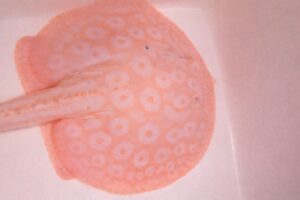
Stingrays like the Potamotrygon species require special care. They need a large tank with a sandy substrate. The smooth sand is crucial to prevent injury to their delicate undersides. Ensure the tank size is adequate, as they can grow quite large.
Water quality is paramount. They prefer slightly acidic to neutral pH. Regular monitoring and adjustments are key. A diet of shrimp, worms, and fish is ideal. Providing variety ensures nutritional needs are met. Stingrays also need open swimming areas, so avoid overcrowding the tank with decorations.
Zebra Pleco L046 Care Essentials
Zebra Plecos, or L046, are small but stunning. They require warm water, around 28-30°C, and a strong current. This mimics their natural river habitat. A well-oxygenated tank is necessary, so consider an air pump or powerhead.
Feeding Zebra Plecos a high-protein diet is essential. They enjoy sinking pellets, but supplementing with live or frozen foods like bloodworms is beneficial. These fish are shy and need plenty of hiding spots. Use caves and rocks to create a comfortable environment.
Best Equipment for Monster Fish
Choosing the right equipment is just as important as selecting your fish. Let’s see what’s necessary for monster fish.
Top Filtration: Fluval FX6
The Fluval FX6 is a powerhouse in filtration. It’s designed for large tanks and can handle up to 1500 litres. This makes it perfect for monster fish like Arowana or Stingrays. Its multi-stage filtration ensures your water remains crystal clear.
Installation is straightforward, and maintenance is minimal. The FX6 also includes a smart pump that monitors performance, offering peace of mind. This filter is an investment, but it’s worth every penny for the health of your fish.
Temperature and Clarity Management
Maintaining temperature and clarity is vital. Use a reliable heater to keep the water at the right temperature for your species. A TMC Vecton UV steriliser is an excellent addition to your setup. It helps control algae and bacteria, keeping your water clear and your fish healthy.
Quarantine Tank Setup UK
Setting up a quarantine tank is a must for any serious aquarist. It allows new fish to acclimate and prevents potential diseases from entering your main tank. A 100-litre tank is often sufficient. Include a heater and filter, and keep the environment simple.
Watch new arrivals closely for any signs of illness before introducing them to your main tank. This precautionary step can save you a lot of trouble down the line and ensures the health of your entire aquarium community.
In conclusion, identifying and caring for show-grade tropical fish involves both keen observation and dedicated care. By following these guidelines, you can ensure your fish not only survive but thrive, showcasing their true potential in your aquarium.