
Caring for Your New Rare Fish: Essential Tips for Thriving Aquariums
Most rare fish arrive stressed and vulnerable, making the first days critical for their survival. Getting rare fish care wrong can mean losing that prized specimen before it even settles. In this guide, you’ll learn proven steps for acclimating exotic fish and setting up your aquarium so your new arrivals thrive from day one. At MTF Aquatics, we back you with premium aquarium supplies and expert tips to make every introduction a success.
Preparing Your Aquarium
Before welcoming your new arrivals, setting up the perfect environment is crucial. A well-prepared aquarium can significantly impact your fish’s well-being, ensuring a smooth transition into their new home.
Essential Aquarium Setup for Rare Fish
Start with the right tank size. Rare fish often need more space than you might think. Imagine a vibrant betta in a 5-gallon tank versus a cramped bowl. The difference is night and day. Next, focus on water quality. Use a reliable filter to keep the water clean and suitable for your fish. Testing kits are your best friend here—check the pH, ammonia, and nitrate levels regularly.
Temperature is another key factor. Most rare fish thrive in specific temperature ranges. Invest in a good heater with a thermostat to maintain stability. Lighting matters too. Some species prefer dimly lit environments, which means you’ll need to adjust your tank’s light accordingly. And remember, decorations should mimic their natural habitat. Think rocks, plants, and driftwood.
Choosing Premium Aquarium Supplies
Quality supplies make a world of difference. Start with a high-quality filter—something like the Fluval FX4 is a top choice among enthusiasts. It offers powerful filtration for larger tanks. Don’t skimp on heaters either. A reliable heater, such as the Eheim Jager, ensures your fish stay comfortable.
When it comes to substrate, consider the fish’s natural environment. Sand or smooth gravel works best for most species. For lighting, LED systems are energy-efficient and customisable. Brands like Finnex offer excellent options.
Finally, don’t forget water conditioners. Seachem Prime is a popular choice to detoxify tap water. These products ensure your tank maintains optimal conditions, giving your fish a safe and thriving environment.
Acclimating Your New Arrivals
Once your aquarium is ready, it’s time to introduce your new fish. This phase demands patience and care, as it’s vital for their survival.
Step-by-Step Guide to Acclimating Exotic Fish
Acclimating exotic fish is an art. Start by floating the unopened bag in your tank for about 15 minutes. This helps equalise the water temperature. Next, open the bag and add a small amount of tank water. Wait another 15 minutes. Repeat this process two or three times.
After about an hour, gently release the fish into the tank using a net. Avoid adding the store water to your aquarium. This method ensures a smoother transition and reduces stress on your new arrivals. Most people think dumping the fish directly into the tank is fine, but patience pays off here.
Importance of Quarantine for Rare Fish Care
Quarantine is essential. It might seem like an extra step, but it prevents the spread of disease. Set up a separate tank, ideally 20 litres or more, with a sponge filter and heater. This temporary home allows you to monitor new fish for any health issues. Most experts recommend keeping them here for at least two weeks.
For more detailed guidance, check out resources like this quarantine tank guide or join discussions on platforms like Reddit. This step protects your main tank from potential outbreaks, keeping your entire aquatic community healthy.
Ongoing Care and Maintenance
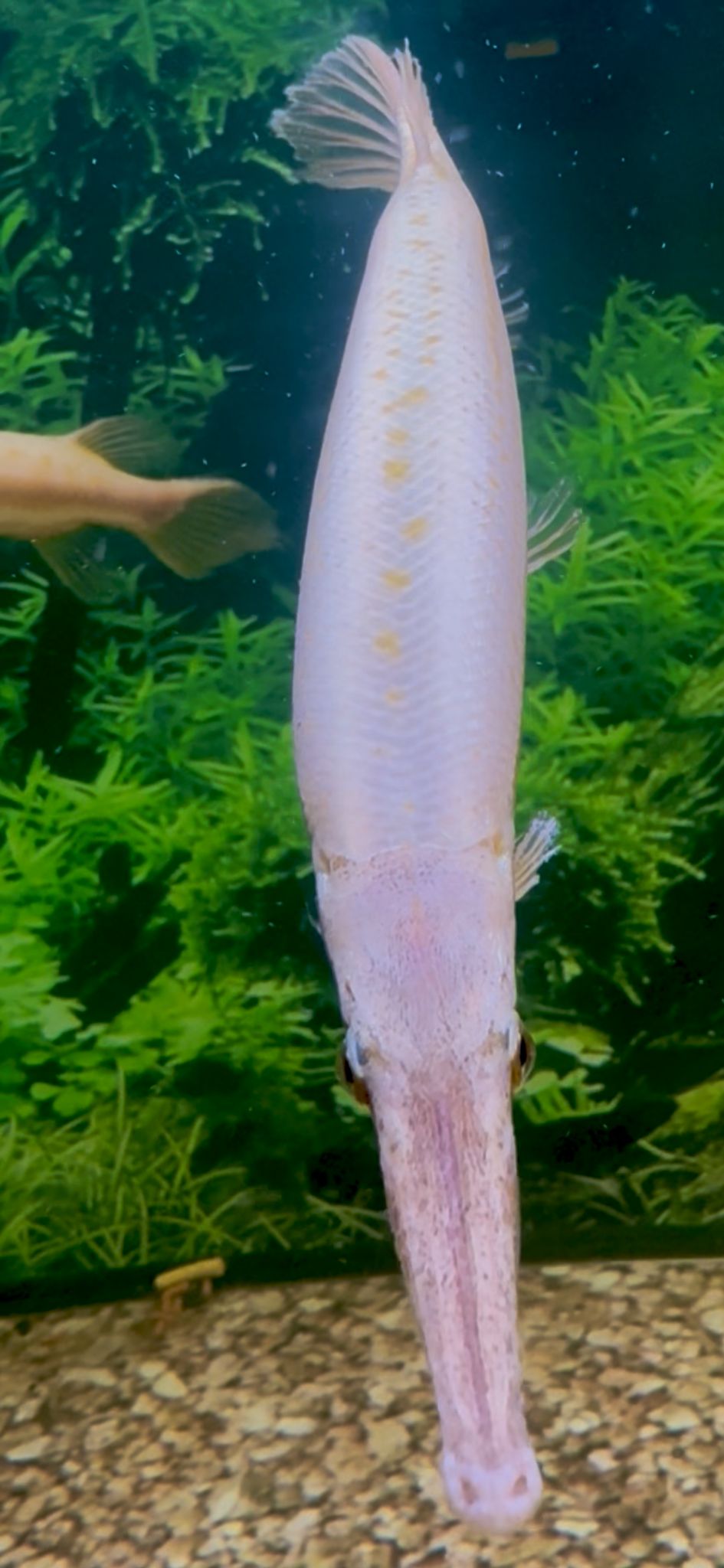
Now that your fish are settled in, focus on the long-term care to ensure they truly thrive. Regular maintenance and monitoring are key.
Monitoring Water Quality and Conditions
Consistent water quality is non-negotiable. Use test kits to check parameters weekly. Aim for a pH level specific to your fish species. For example, discus fish prefer slightly acidic water, around pH 6.5. Keep ammonia and nitrite levels at zero, and nitrates under 20 ppm.
Perform regular water changes—20% every one to two weeks is a good rule of thumb. This removes harmful substances and replenishes minerals. Remember, a stable environment reduces stress and fosters health. If you notice any deviations, act quickly to rectify them.
Feeding and Dietary Needs of Rare Fish 🐟
Feeding rare fish is an exciting part of care. Each species has unique dietary needs, so research is essential. For instance, many carnivorous fish like the Arowana require a diet rich in protein. Live foods such as bloodworms and brine shrimp are excellent choices.
Herbivorous fish, on the other hand, thrive on spirulina and algae wafers. You can also find high-quality flake foods designed for specific species. Feed your fish small amounts, two to three times daily. Overfeeding can lead to water quality issues, so be mindful of portions.
In summary, caring for rare fish involves a blend of preparation, patience, and ongoing commitment. By following these guidelines, your new aquatic friends will not only survive but thrive, adding a unique beauty to your home.