

Acclimating Rare and Exotic Fish: A Step-by-Step Guide for Home Aquariums
Acclimating fish is where most rare and exotic species either thrive or fail in your home aquarium setup. Skipping steps or rushing can stress your new arrivals, risking their health before they even settle in. This guide walks you through the exact process to introduce rare fish safely, ensuring they adjust well and stay vibrant. Ready to give your aquatic collection the care it deserves? Learn more about acclimating aquarium fish.
Preparing Your Home Aquarium
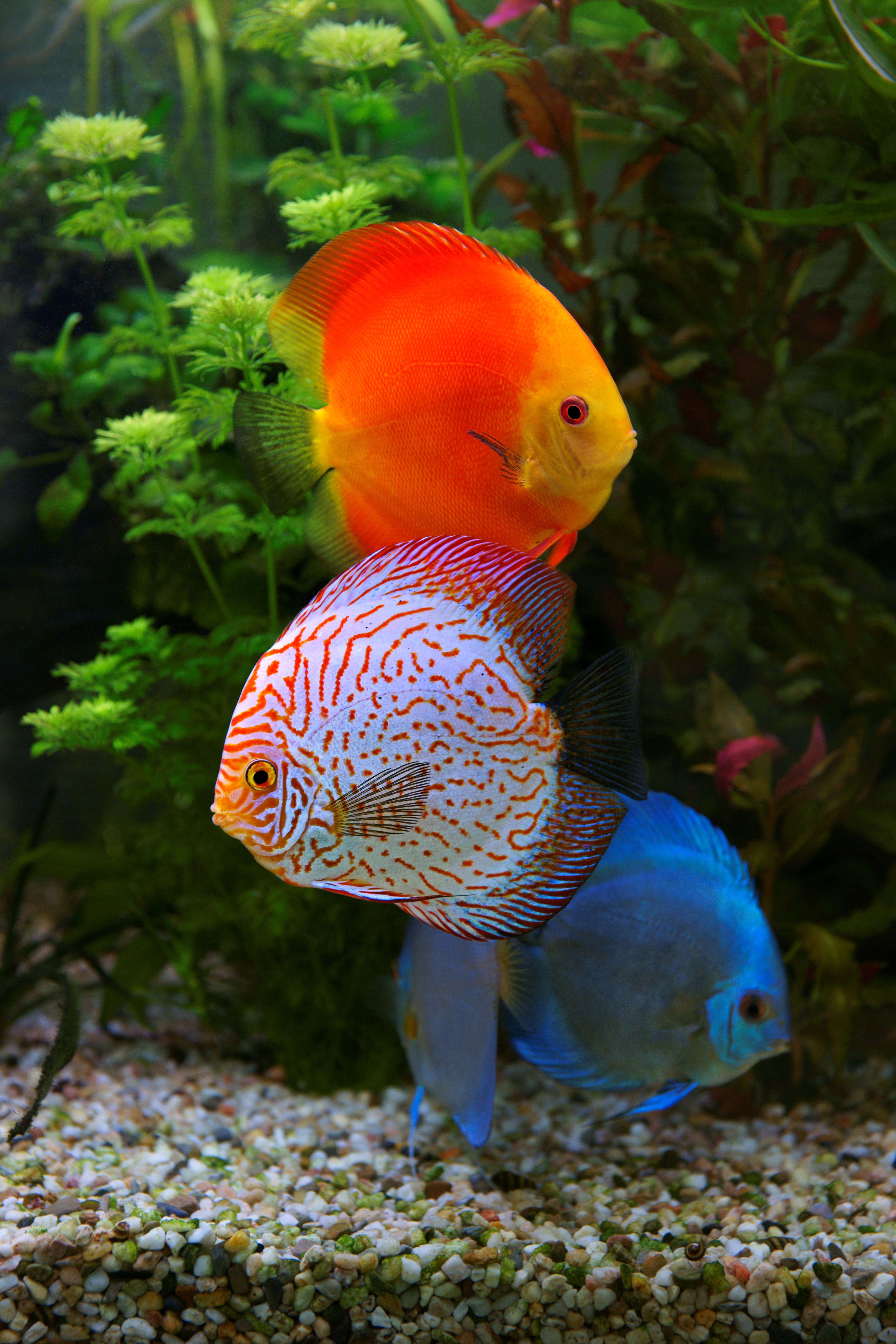
Before introducing your rare fish, it’s essential to create a welcoming environment that mirrors their natural habitat. This ensures they feel at home right from the start and sets the foundation for their well-being.
Essential Equipment Checklist
You want to make sure you have everything ready for your new aquatic friends. Let’s dive into the must-haves. Firstly, a reliable water heater and thermometer are crucial. Many exotic fish thrive in specific temperature ranges, so maintaining this is key. You’ll also need a high-quality filter to keep the water clean and oxygenated, which is vital for the health of your fish. Don’t forget water testing kits! These help you monitor pH levels, ammonia, and nitrite, ensuring the water quality stays optimal. Lastly, having the right substrate and decorations can make your fish feel at home, mimicking their natural environment.
Setting Up the Ideal Environment
Creating the perfect underwater world involves more than just filling a tank with water. Start by arranging plants and rocks to provide hiding spots—fish love them! This not only reduces stress but also encourages natural behaviours. Lighting plays a big role too. Aim for a balance; too much can cause algae blooms, while too little might affect the fish’s mood. Consider using LED lights with adjustable settings for this purpose. Want to learn more about setting up your aquarium? Check out this Facebook group post for tips from fellow enthusiasts.
Step-by-Step Acclimating Process
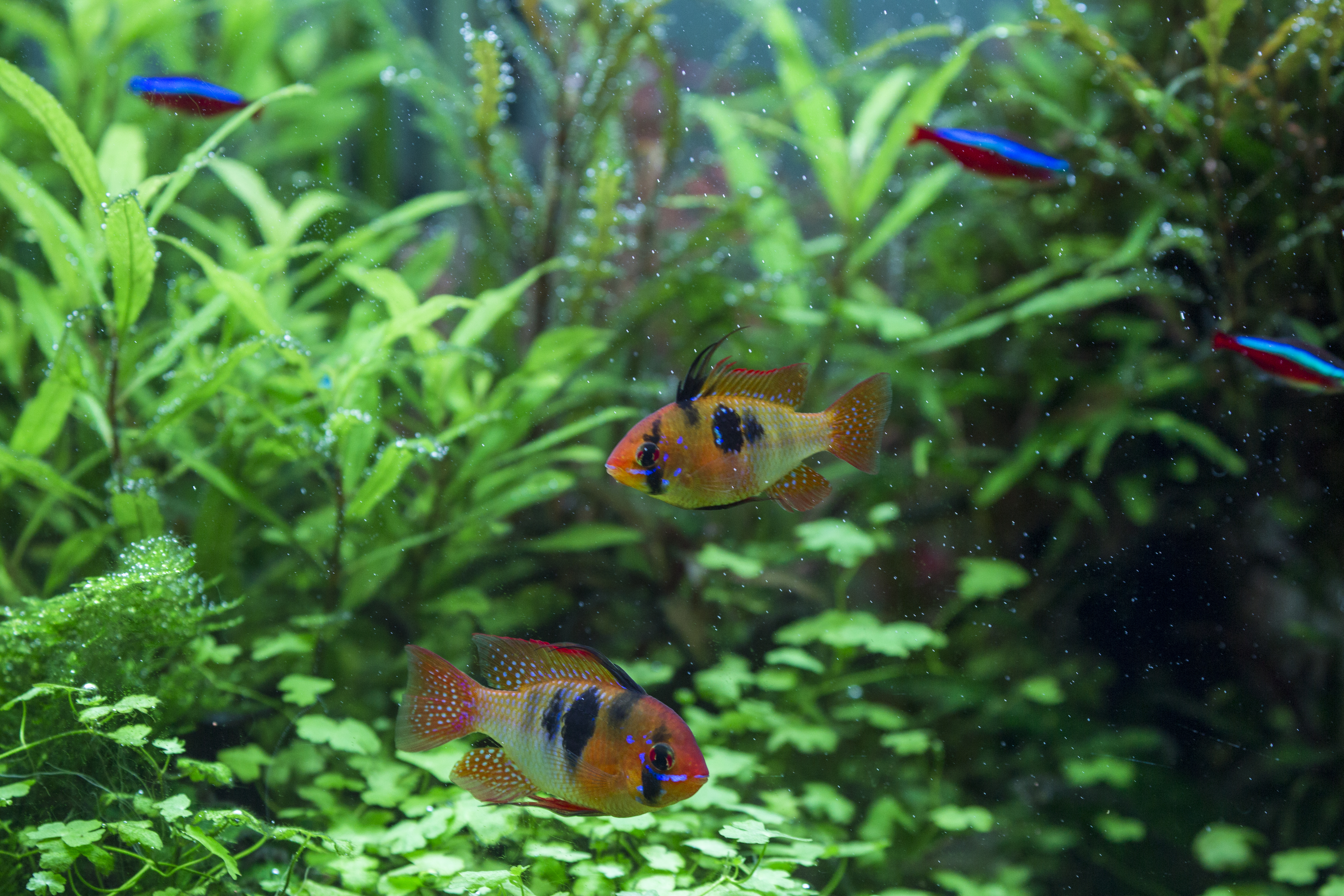
Now that your tank is ready, it’s time to focus on the acclimation process. This ensures your fish transition smoothly into their new home, reducing the risk of shock.
Floating Bag Technique
The floating bag method is a simple yet effective way to acclimate your fish. Start by floating the sealed bag with your fish in the tank for about 15 minutes. This allows the water temperature inside the bag to match the tank. Then, open the bag and add a small amount of tank water. Wait 10 minutes and repeat this step three times. This gradual mixing helps the fish adjust to the tank’s water chemistry. After about 45 minutes, gently release your fish into their new environment. Remember, patience is key here!
Drip Acclimation Method
For those keen on a more controlled approach, the drip method is ideal. Begin by placing your fish and the water from their transport bag into a separate container. Use airline tubing to create a siphon from the tank to this container. Adjust the flow to allow a slow drip, roughly 2-3 drops per second. Over the next hour, the container will gradually fill with tank water. This slow process helps your fish acclimate to both the temperature and chemistry of your tank water. Once the container has doubled in volume, your fish are ready to be moved.
Ensuring Proper Exotic Fish Care
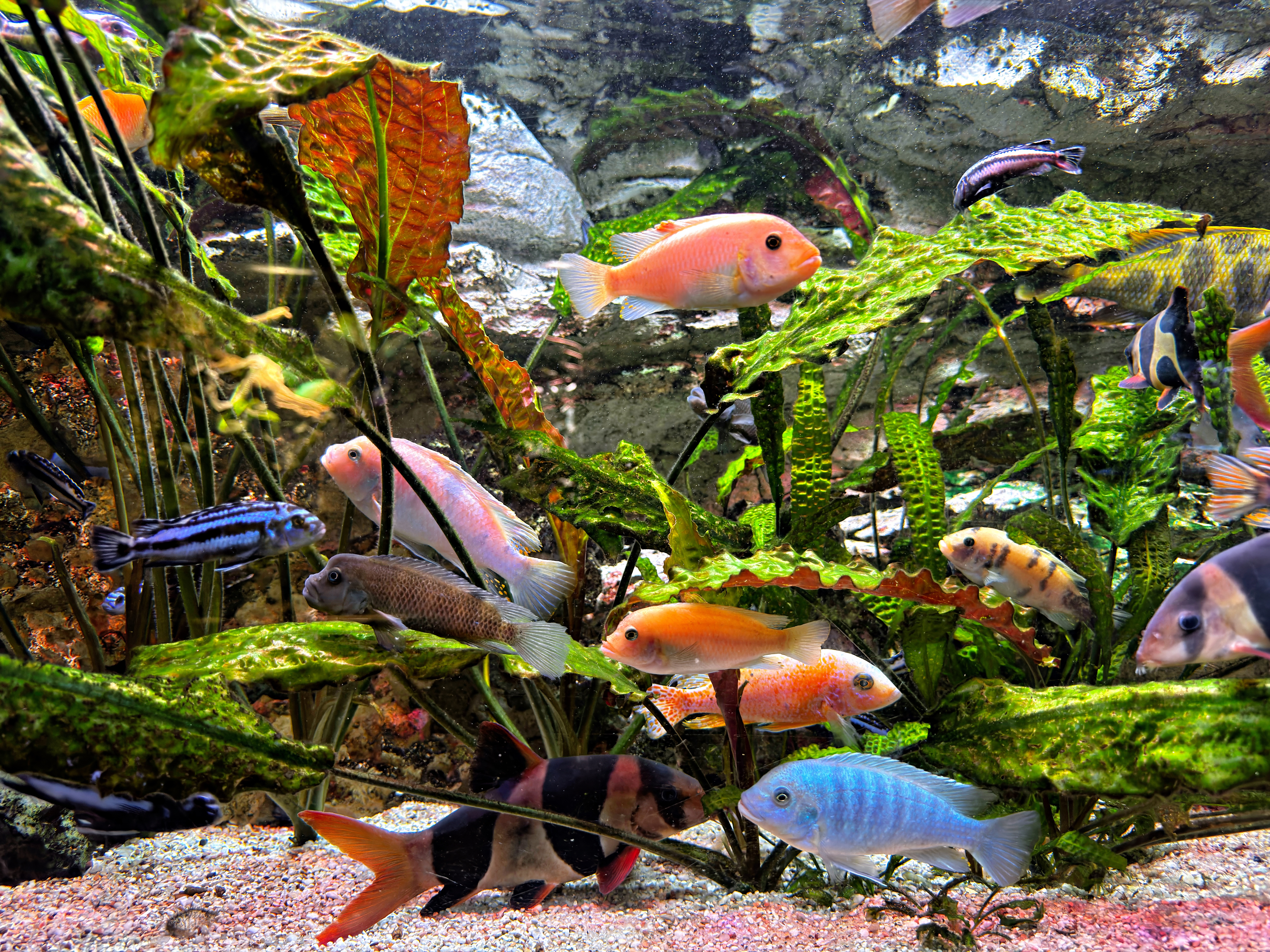
Once your fish are swimming in their new home, ongoing care is crucial to keep them thriving and vibrant.
Monitoring Health and Behaviour
Regular observation is key to keeping your fish healthy. Look out for signs of stress, such as erratic swimming or changes in appetite. Healthy fish should be active and have bright, clear eyes. To ensure they are adapting well, monitor their behaviour during feeding times. If you notice any issues, don’t hesitate to consult a professional or reach out to experienced hobbyists in this forum.
Ongoing Maintenance Tips
Maintaining a pristine environment is crucial for the well-being of your exotic fish. Regular water changes, about 10-15% weekly, can help keep the water clean and free from harmful toxins. Don’t forget to clean your filter monthly, as a clogged filter can reduce water quality. Keeping an eye on water parameters with your testing kit will ensure that pH and other levels stay within safe ranges. For more detailed advice and community support, dive into this YouTube video on aquarium maintenance.
By following these steps, you’re well on your way to creating a thriving environment for your rare and exotic fish. Happy fishkeeping!